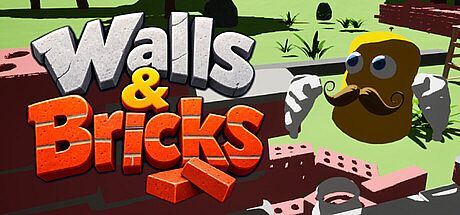



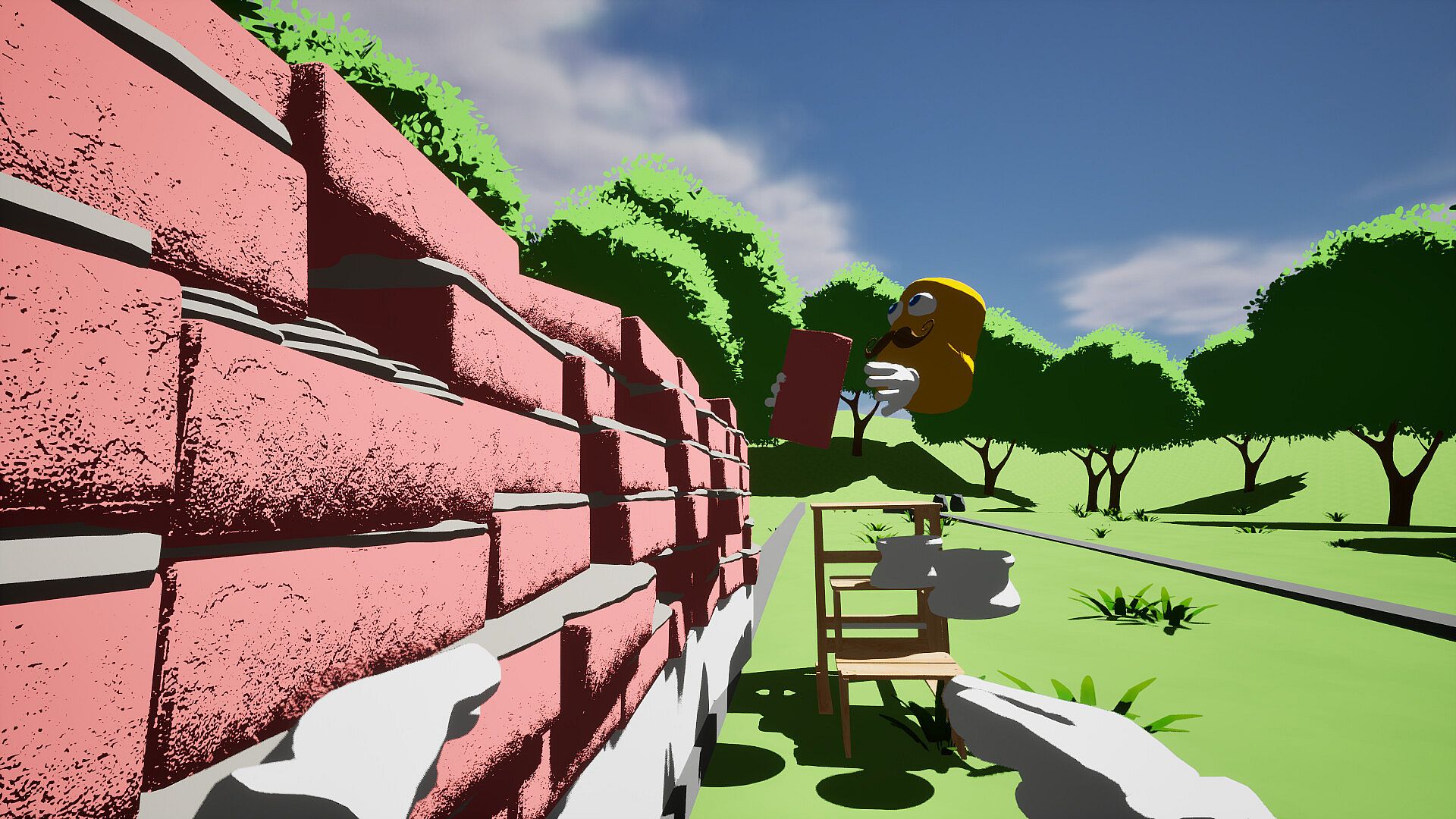
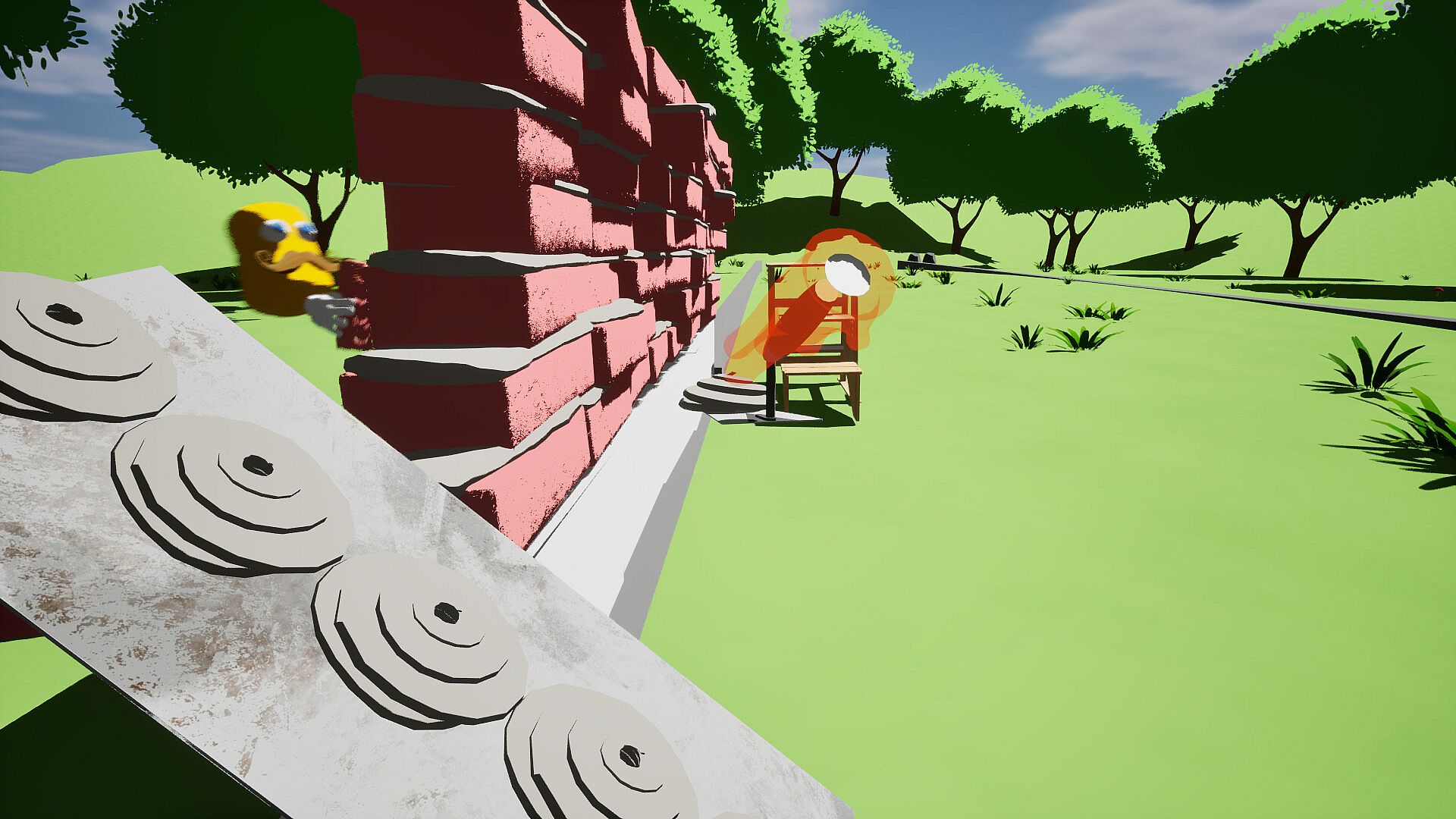
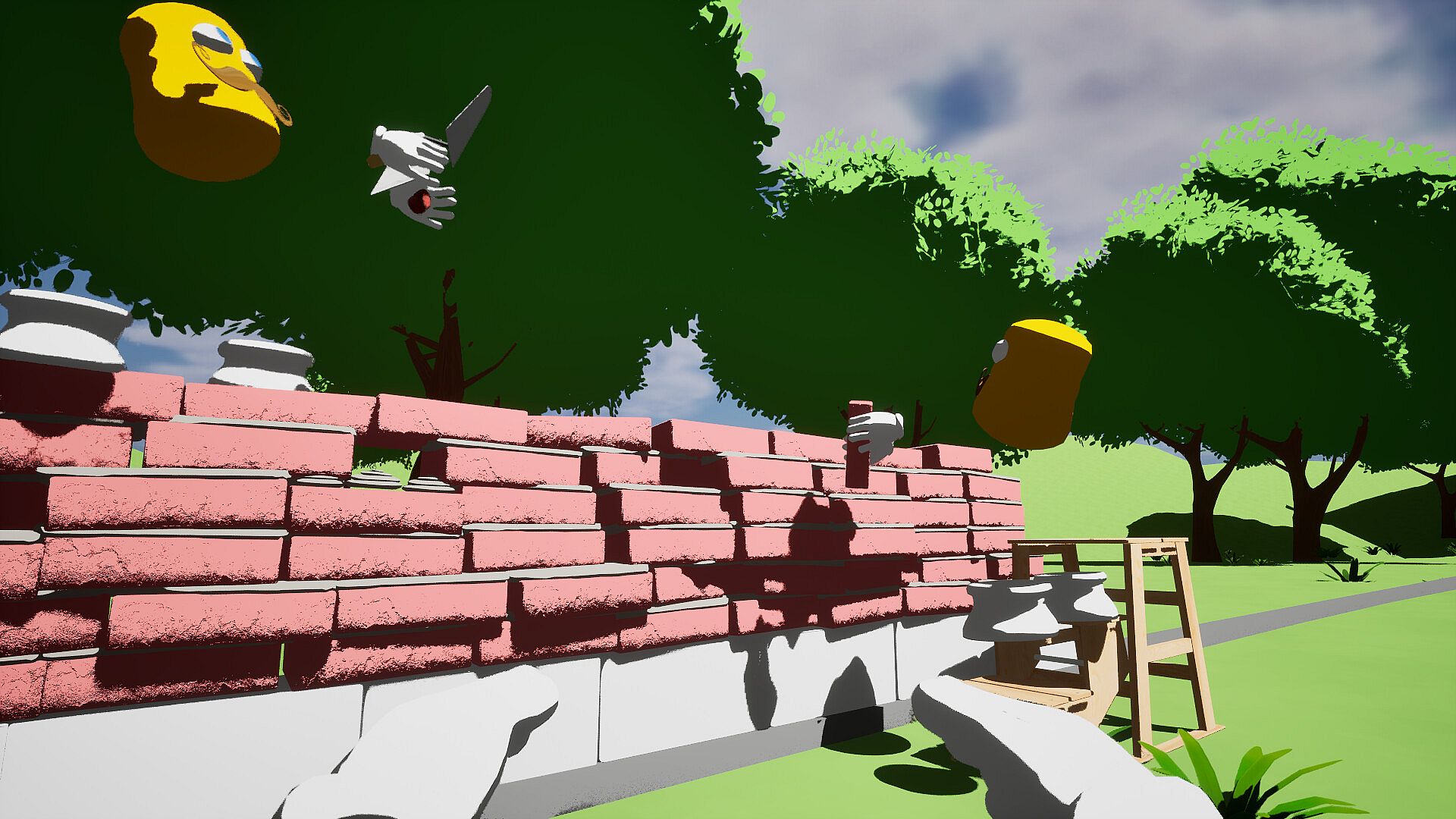
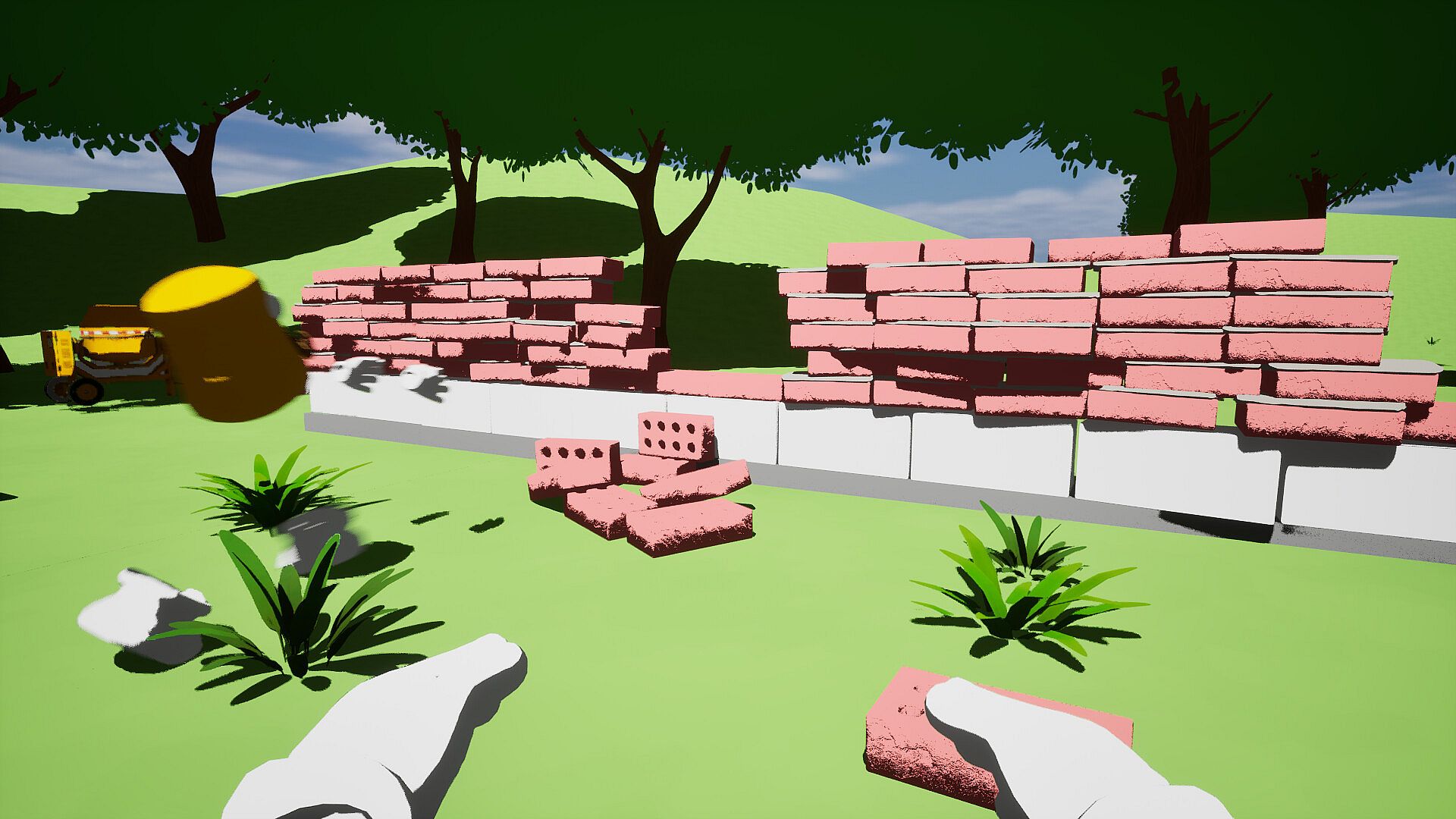
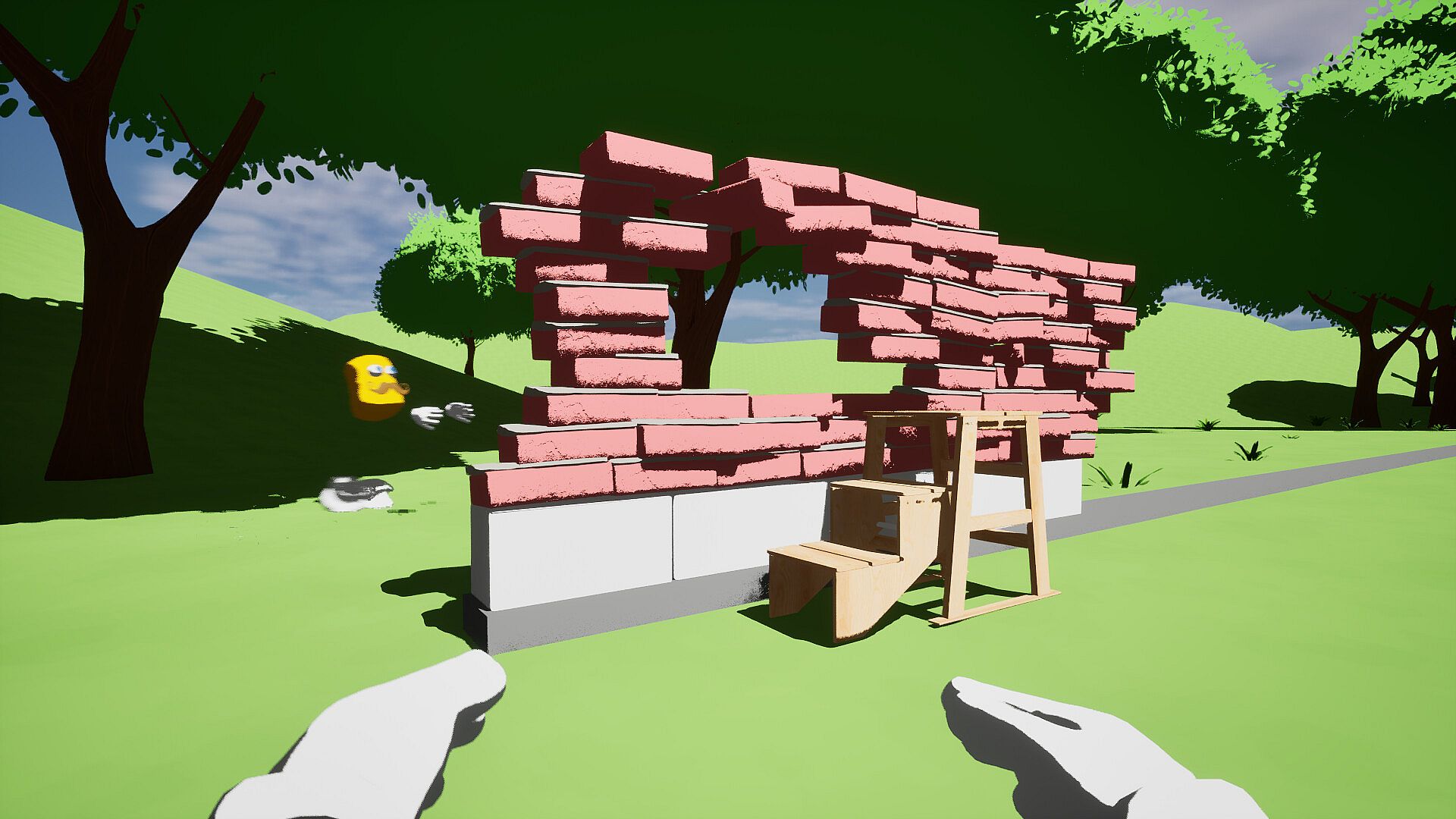
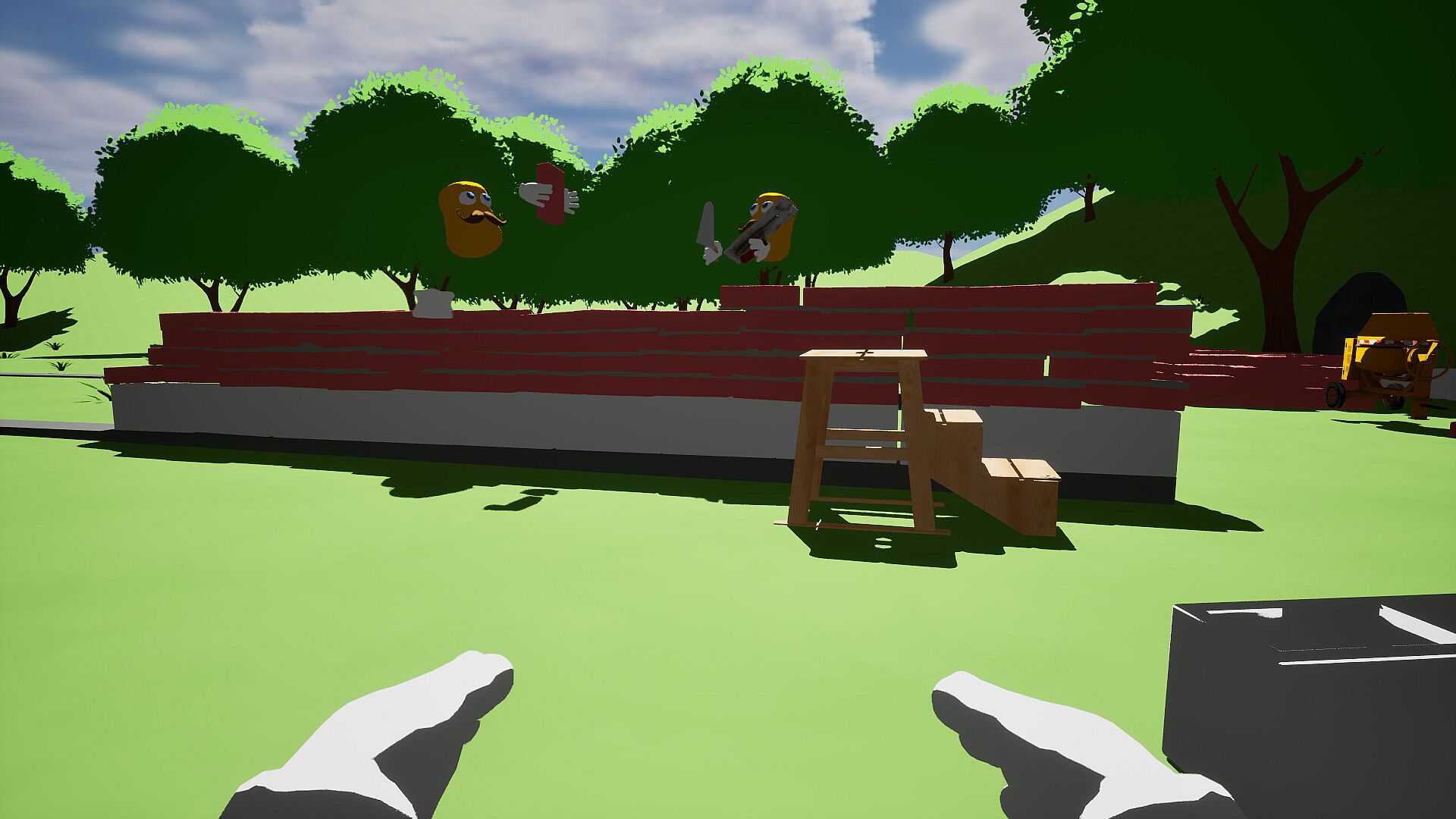
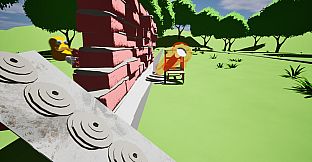
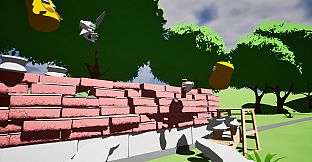
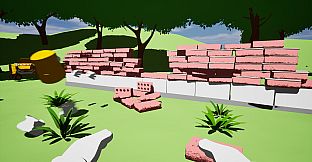
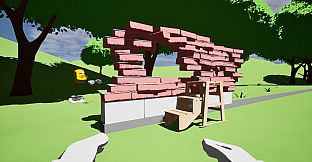
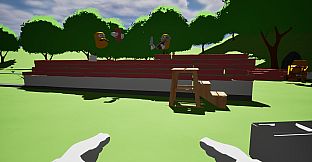
Walls & Bricks: Build Together is a free-to-play indie casual simulation game for PC that centers on cooperative and competitive wall construction. Players race to assemble bricks while managing mortar that sets over time, all while preparing for sudden disruptions from earthquakes or rival interference.
Gameplay
The core loop revolves around placing individual bricks with precision or speed. Careful placement strengthens the overall structure, but the mortar begins to harden immediately, forcing quick decisions under pressure. Each brick contributes to the wall's integrity, so rushed work creates vulnerabilities that later events can exploit.
Division of labor adds another layer. One participant can focus on spreading mortar while another sets bricks, or a single player can handle both tasks alone. Coordination matters because mismatched efforts waste precious seconds. The same tools and actions apply whether working solo or with others, keeping the focus on timing and placement choices.
External threats test the results. Earthquakes strike without warning and vary in intensity, shaking poorly built sections loose. Sabotage from opponents targets weak points, and any collapse requires rebuilding from the scattered bricks. These elements reward foresight in construction quality even when speed feels urgent.
Game Modes
Competitive sessions pit builders against one another in shared spaces. Participants balance their own wall progress against opportunities to disrupt rivals at critical moments. Success depends on reading the situation, knowing when to push construction and when to interfere without neglecting personal defenses.
Creative mode removes the pressure of competition and timers. Here the emphasis shifts entirely to free-form building, allowing players to construct houses or pursue other projects without external threats or time limits. Ideas can be tested and refined at any pace, turning the same brick and mortar mechanics into an open canvas for personal designs.
Core Mechanics and Player Interaction
Every session highlights the trade-off between craftsmanship and haste. Stronger walls resist earthquakes and sabotage better, yet slowing down to achieve that strength risks falling behind the clock or missing chances to affect opponents. The system encourages experimentation with different approaches across multiple rounds.
Multiplayer dynamics emerge naturally from the shared workspace. Teammates or rivals occupy the same area, so actions overlap and influence one another. Clear communication helps when splitting tasks, but the game remains playable without it through flexible role switching. Single-player options let individuals manage all aspects themselves for a more solitary challenge.
Is It Worth Playing?
The game remains in a coming-soon state on its primary distribution platform, with no user reviews or completed release available yet. Its appeal lies in the straightforward yet tense building process combined with co-op and competitive elements that suit casual sessions. Players who enjoy simulation titles focused on construction, timing, and light strategy will find the described systems align with those interests. Those seeking released experiences with established communities may prefer to wait for launch and further updates before committing time.