


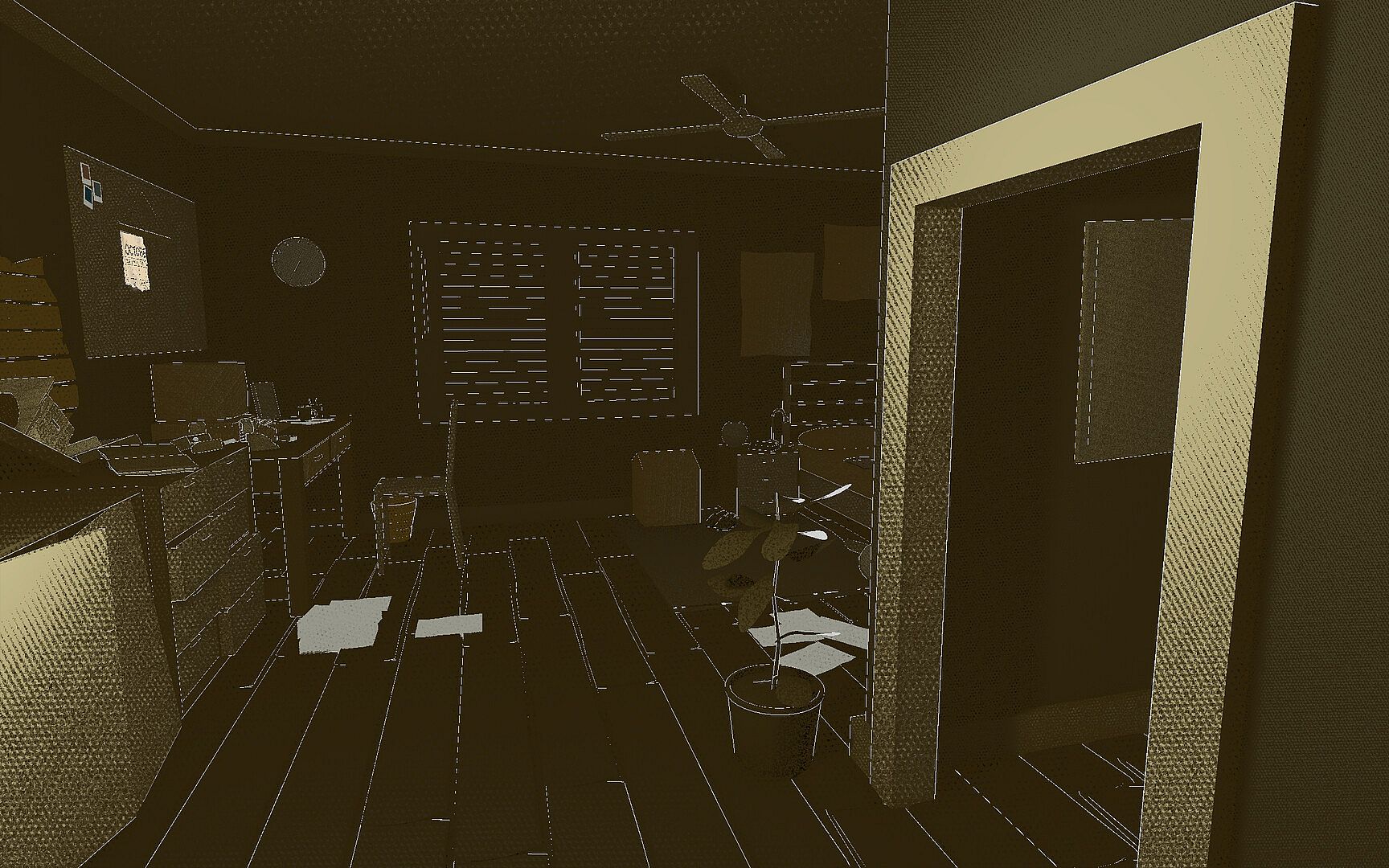
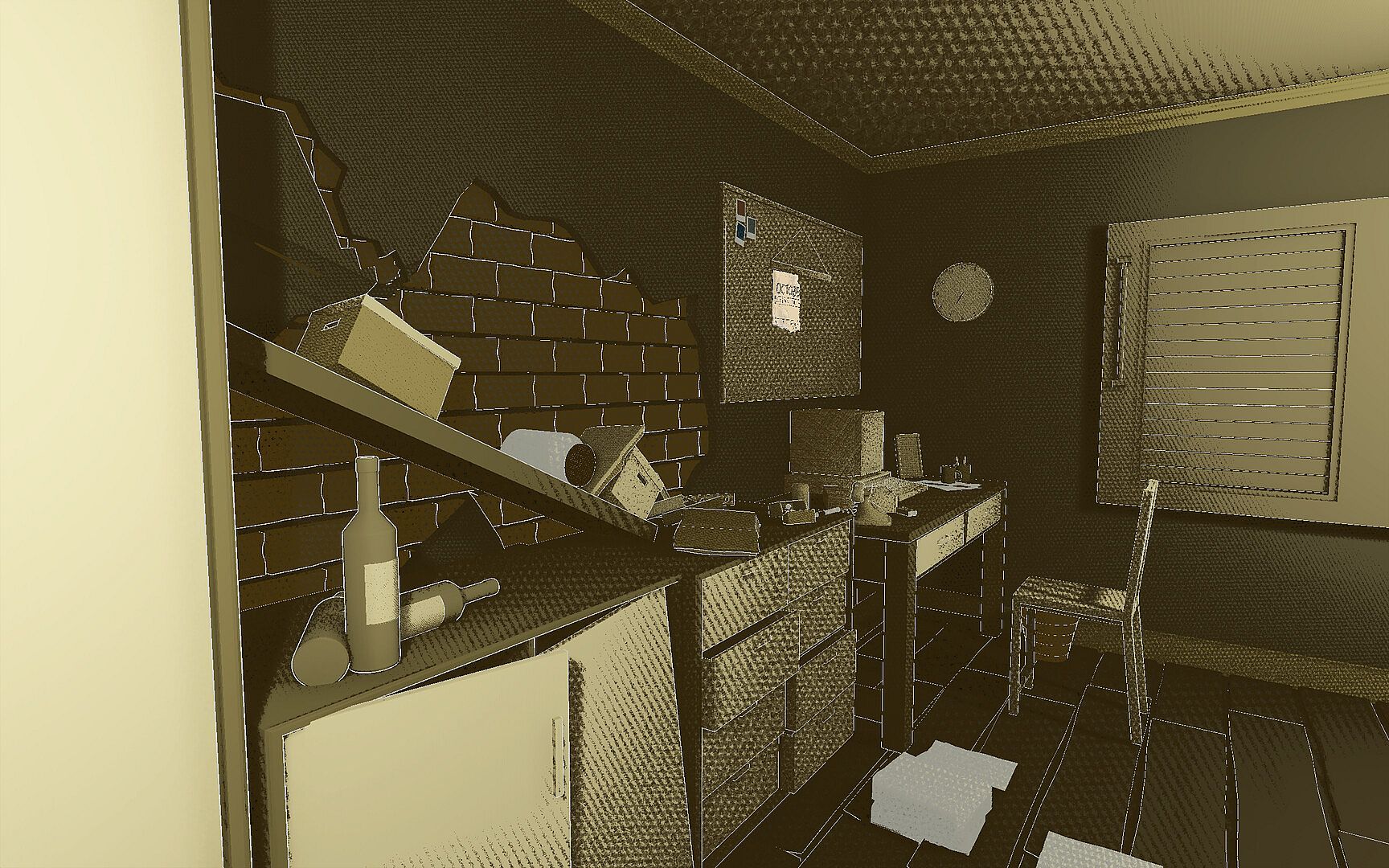
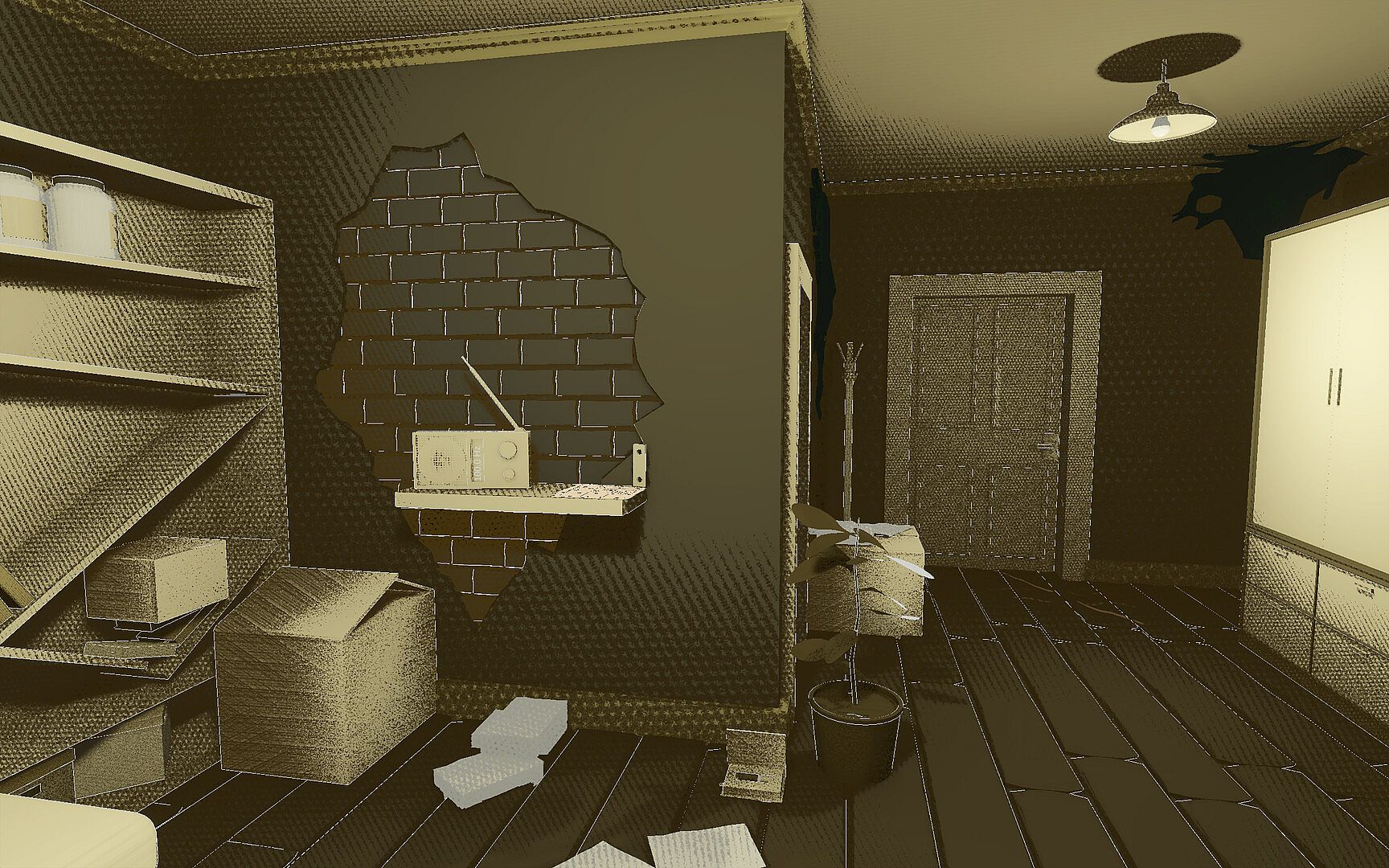
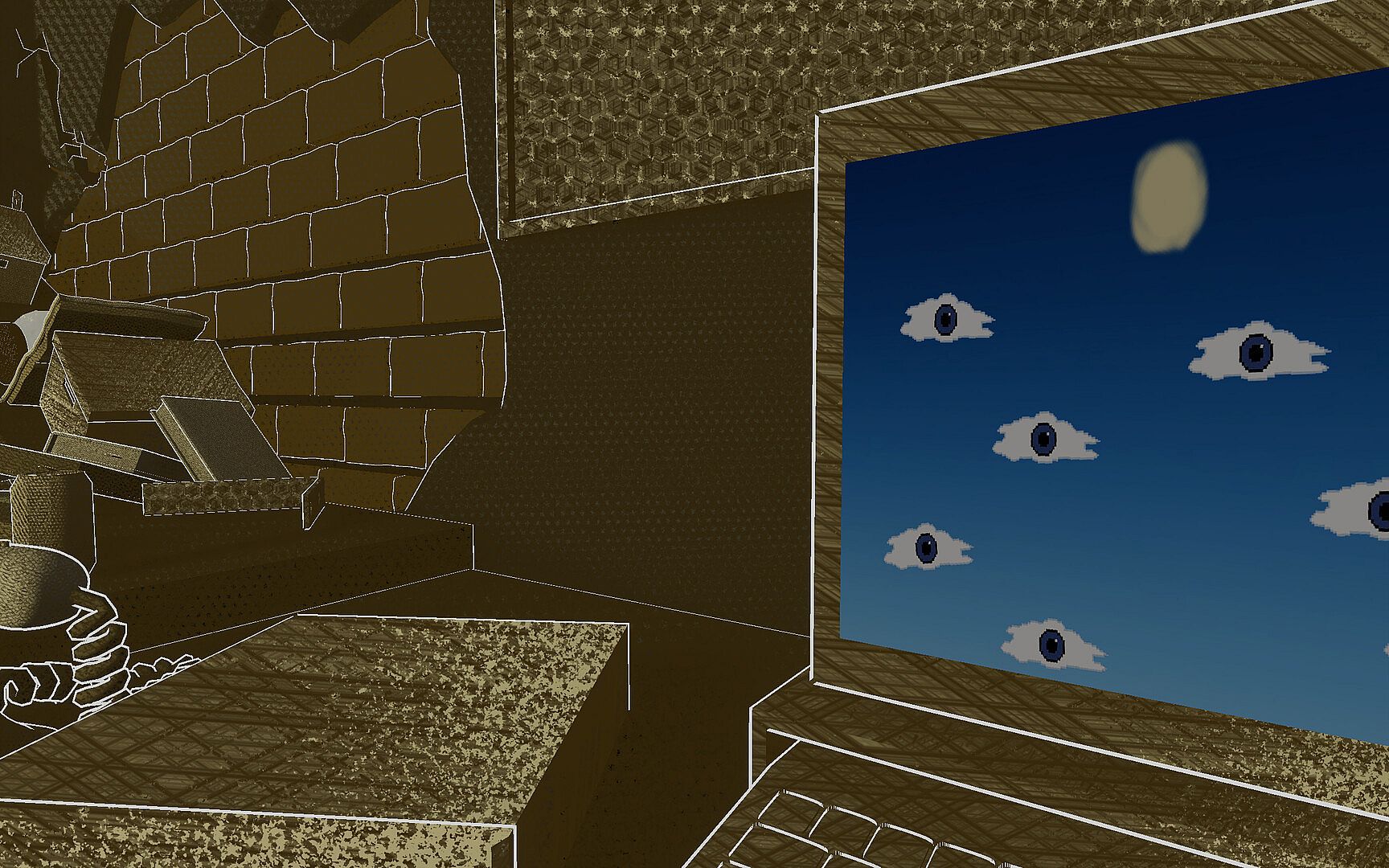
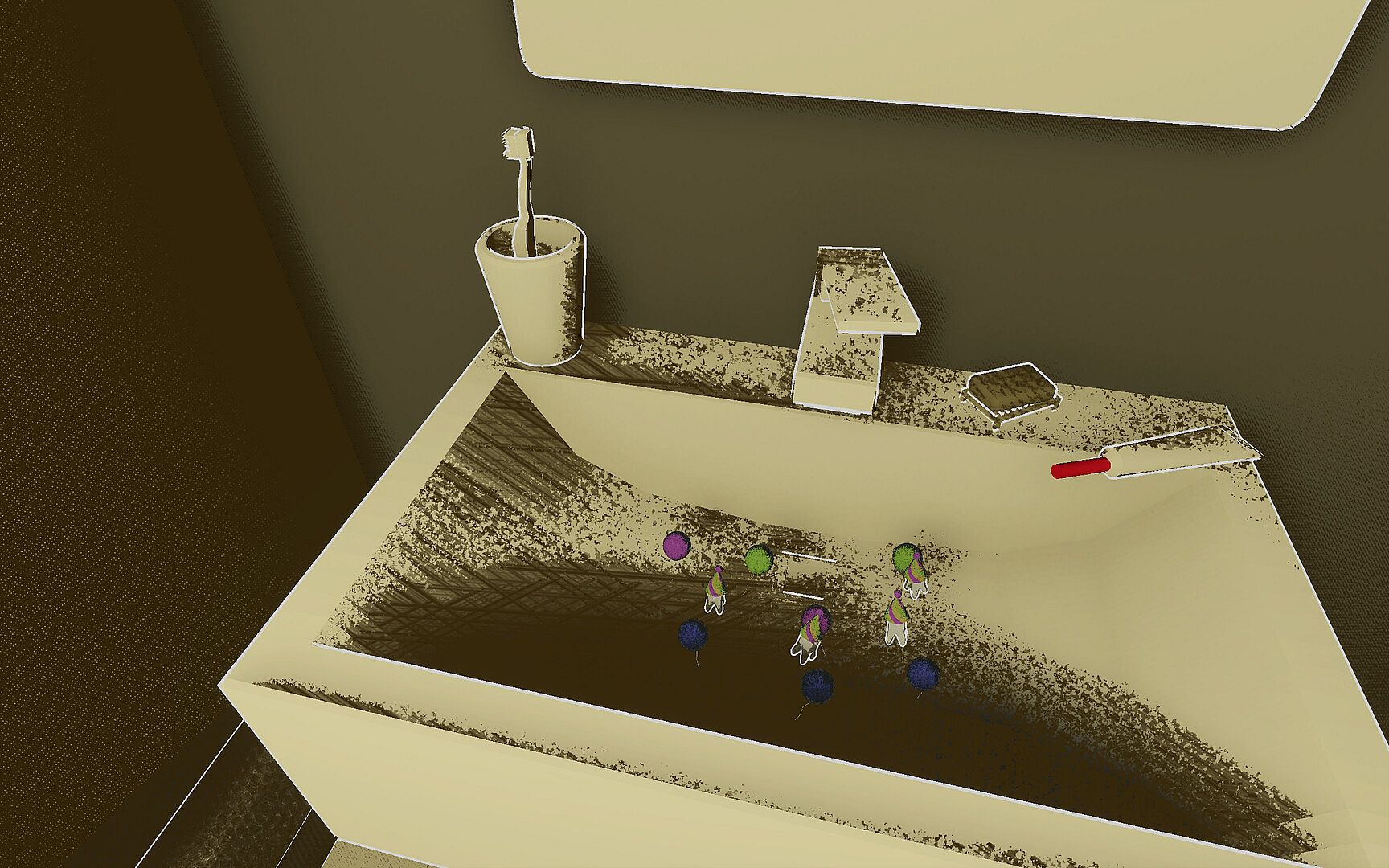
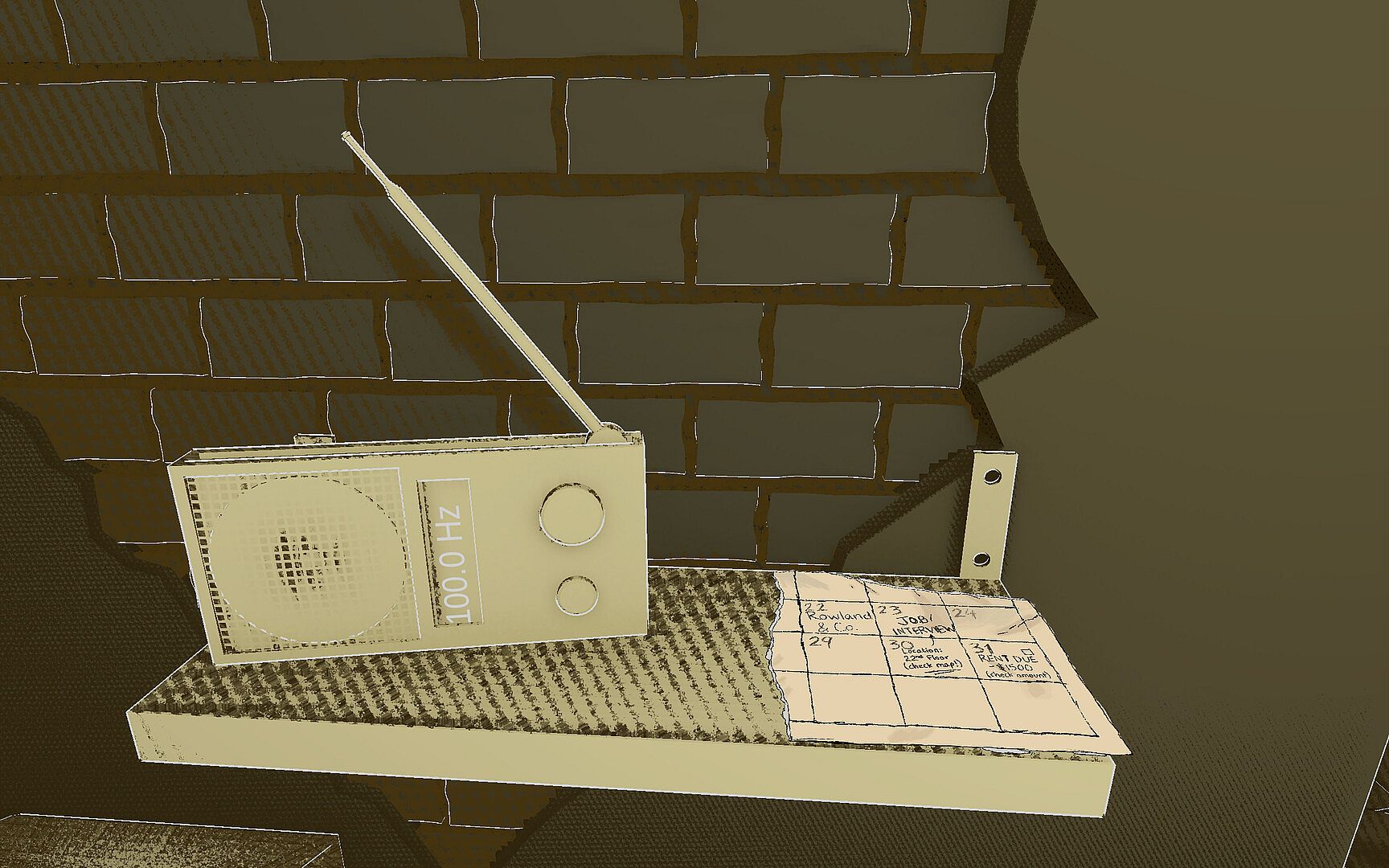
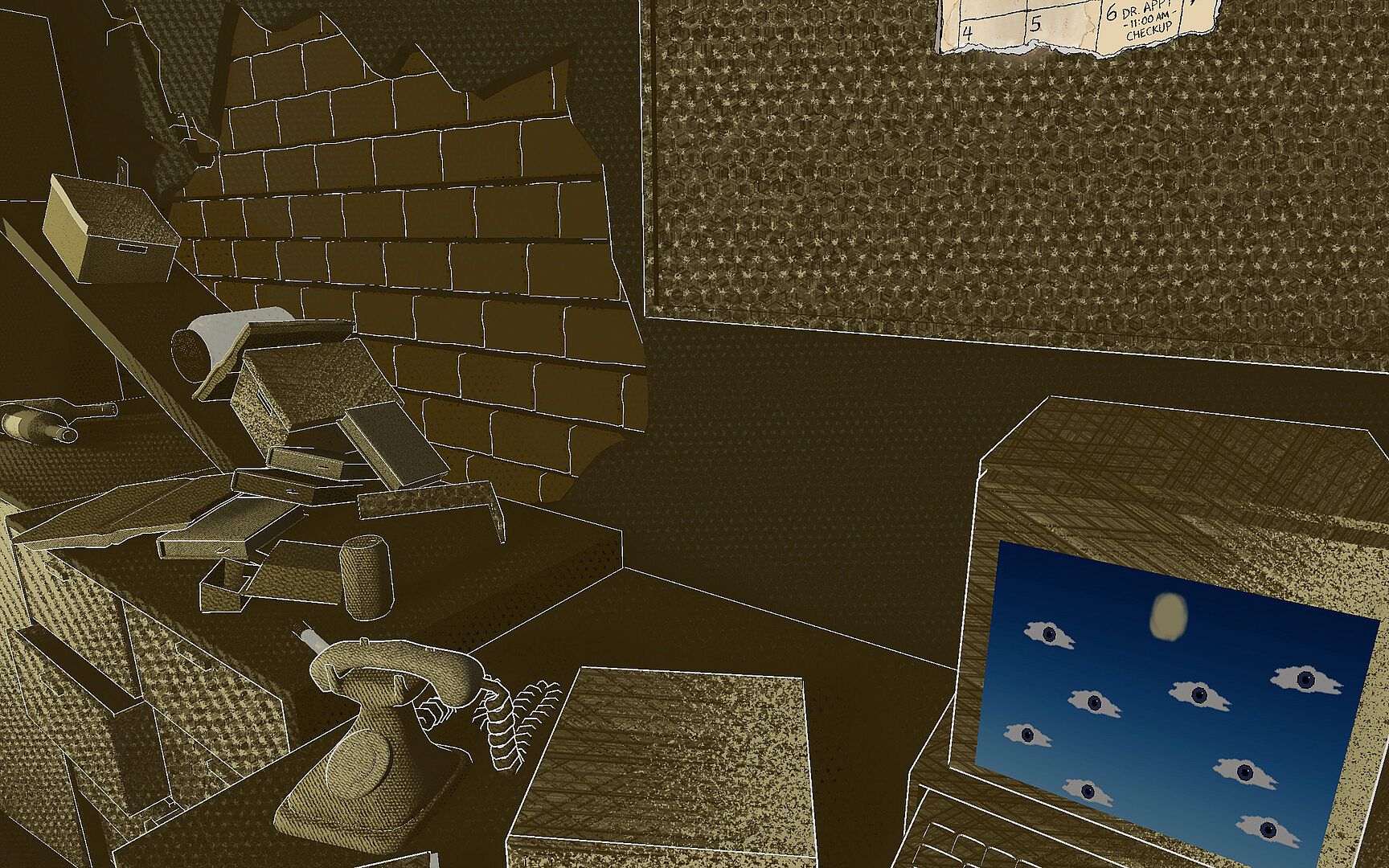
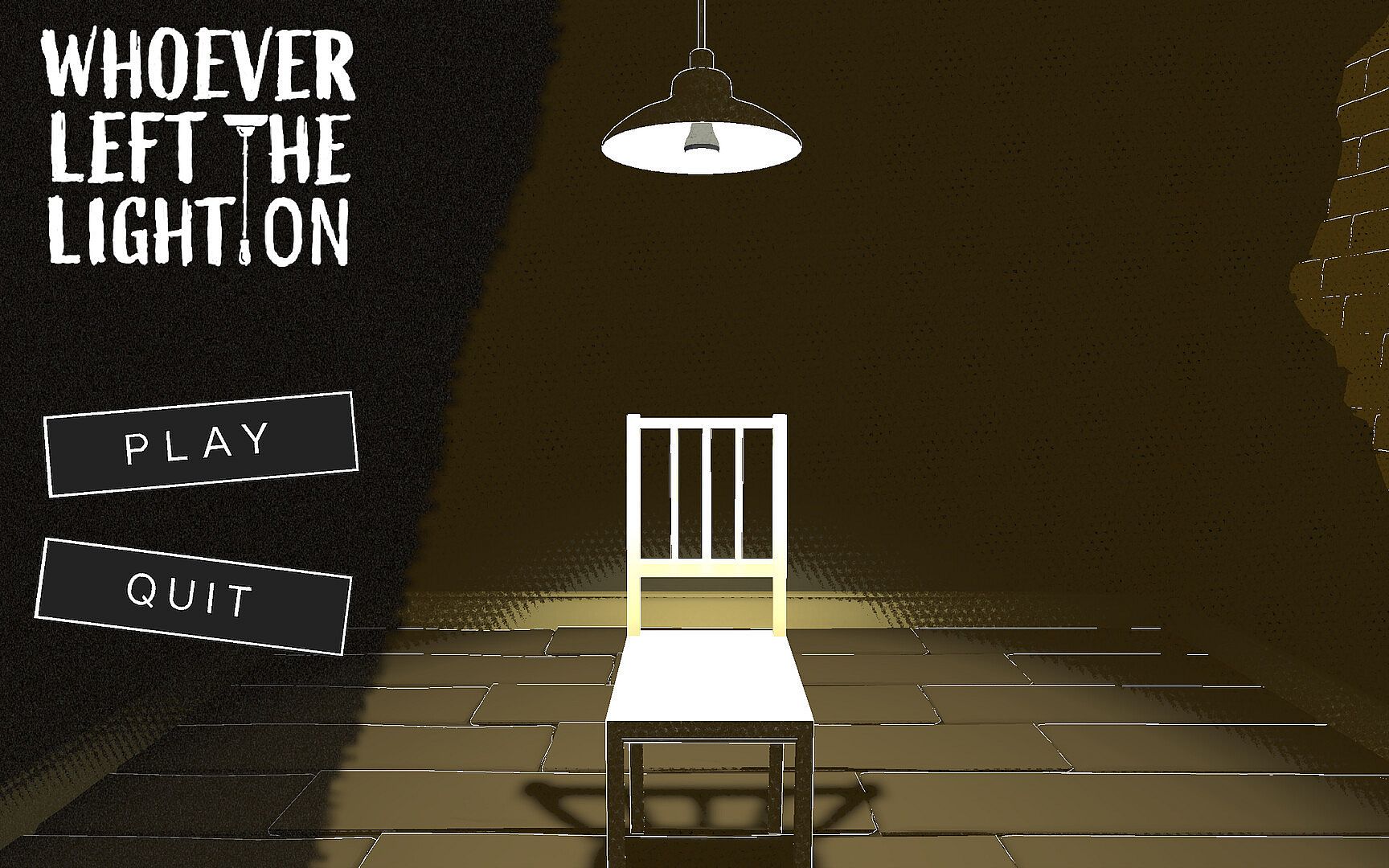
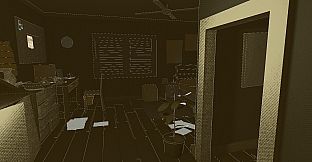
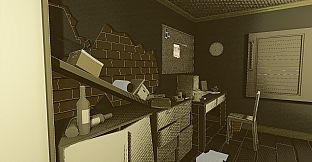
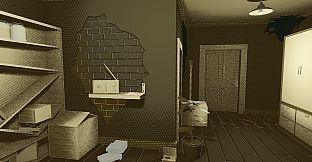
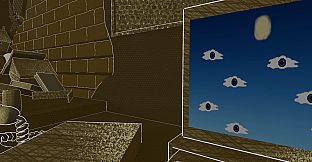
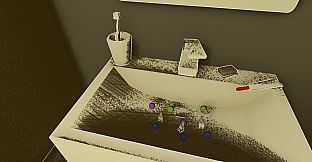
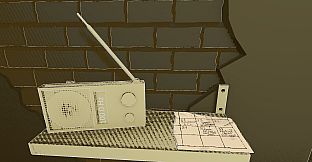
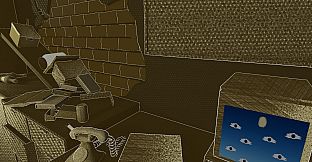
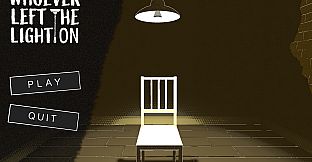
Whoever Left the Light On is an indie point-and-click puzzle game built around surreal dream logic and personal discovery. Players awaken in an ordinary studio flat with no memory of their identity or circumstances. The familiar rules of everyday objects quickly break down, forcing a reevaluation of how puzzles work in this shifting space. The experience centers on exploration, observation, and applying twisted interpretations to progress through the environment while piecing together fragments of a buried past.
Gameplay
The core loop revolves around interacting with items and spaces in a small, handcrafted studio flat that starts deceptively plain. Point-and-click mechanics handle all actions, from examining details to combining elements in unexpected ways. What appears as a standard lock or key setup soon reveals itself as unreliable, requiring players to abandon conventional logic for dream-like associations. The environment itself changes subtly over time, with nothing remaining fixed or random. Every object and alteration carries meaning tied to the unfolding mystery of the player's identity. Progress demands careful attention to these shifts and a willingness to reinterpret the surroundings repeatedly.
Atmospheric audio plays a central role in guiding intuition. An ambient soundtrack composed and performed by Sam Hall responds dynamically to player actions and advancement, while custom sound effects reinforce the unsettling transformation of the space. Voice work adds further layers to the narrative delivery. The result feels intimate and disorienting, with the flat evolving from mundane to something far more personal and elusive.
Game Modes
The game operates as a single-player experience focused entirely on sequential puzzle solving and narrative revelation. There are no separate competitive, cooperative, or alternative modes to select. Instead, the structure emphasizes a continuous journey through the evolving studio flat, where each interaction builds toward greater understanding of both the environment and the protagonist's history. The demo available now represents the first level as a proof of concept, allowing players to sample the foundational mechanics before the full release planned for Q3 2026.
Story and Atmosphere
Without any name or recollection, the player must navigate a place that watches back and refuses to stay consistent. The narrative unfolds through environmental storytelling rather than direct exposition, with every change in the flat hinting at deeper secrets. The further one advances, the more the space feels less like a prison to escape and more like a manifestation of suppressed memories. Themes of identity, perception, and buried truths emerge naturally from the surreal mechanics, creating an introspective tone suited to those who enjoy slower, contemplative puzzle adventures.
Visual presentation reinforces this mood through stylized, deliberately ordinary surroundings that gradually reveal their deceptive nature. Handcrafted details reward close inspection, turning what begins as boring familiarity into an increasingly bizarre and meaningful setting.
Is It Worth Playing?
Players drawn to surreal point-and-click puzzles and atmospheric single-player experiences will find strong appeal in the game's unique approach to logic and revelation. The reactive soundtrack and shifting environment provide consistent engagement, while the focus on unlearning expectations sets it apart from more traditional puzzle titles. A demo offers an immediate way to test the first level and determine personal fit. With the full version scheduled for Q3 2026 and built as a student project from the University of Greenwich Micro Studio, the title shows clear promise for those seeking thoughtful, unconventional indie puzzle games rather than fast-paced action or multiplayer competition. Its emphasis on conceptual depth and personal discovery makes it a worthwhile prospect for the right audience.