

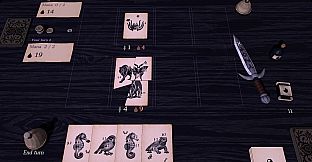
Witch Collage is a single-player strategy game built around the creation and use of custom cards. Players cut existing cards into fragments, reassemble pieces from multiple sources, and bring the resulting creations into combat against opponents in a witch's domain. The core loop centers on careful selection of shapes and markings, followed by layering and gluing to form new cards with combined abilities.
Gameplay
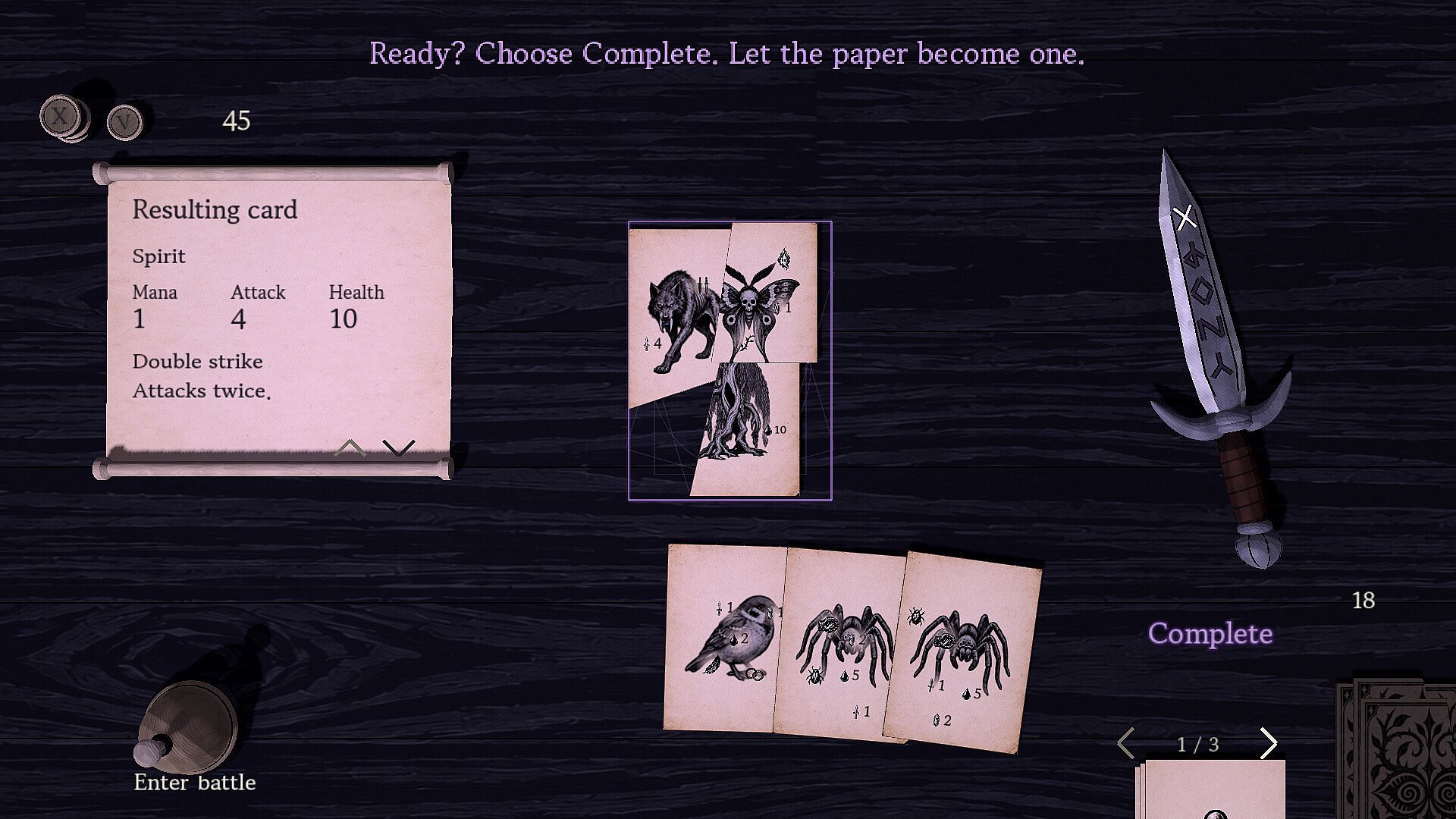
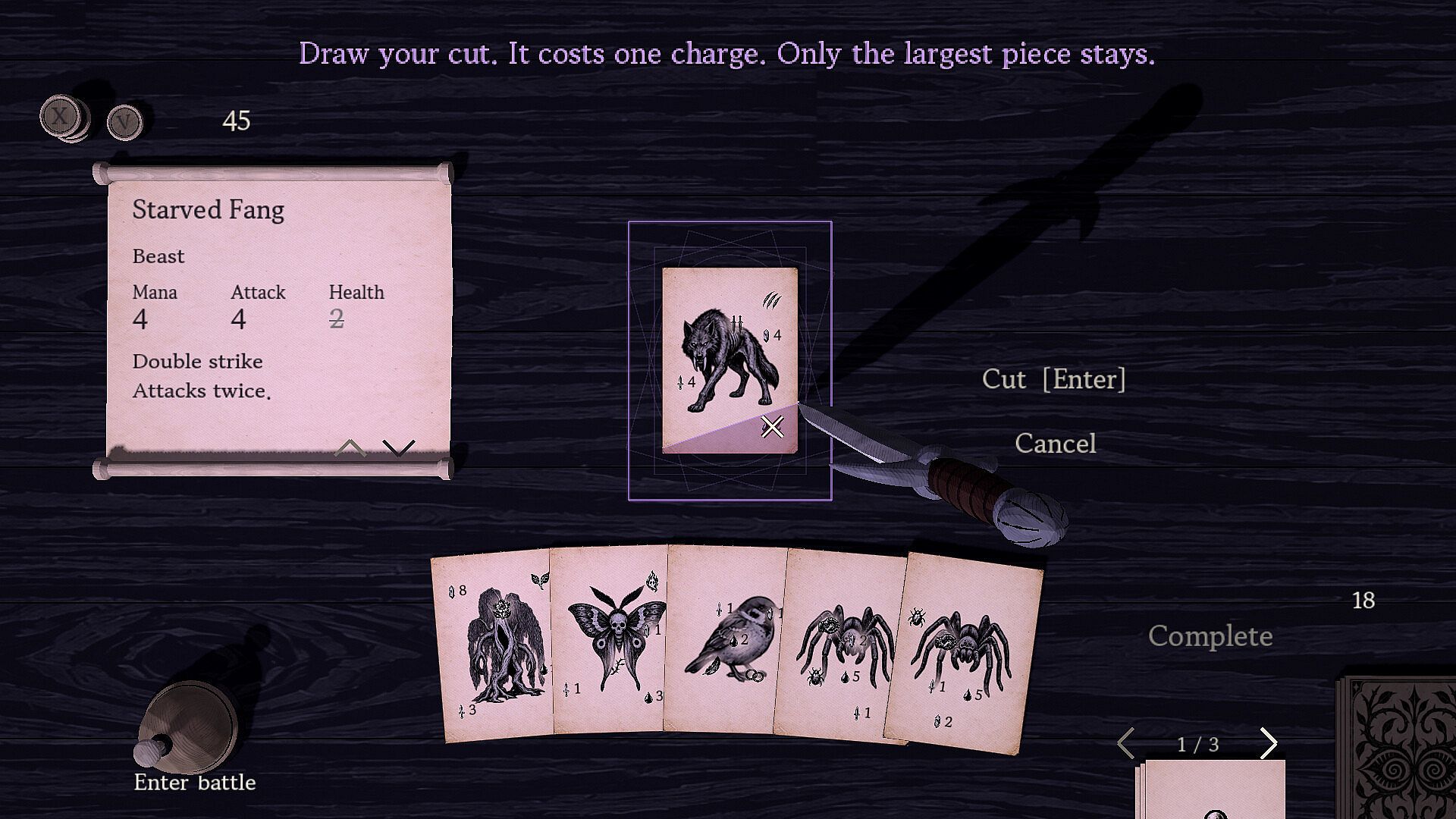
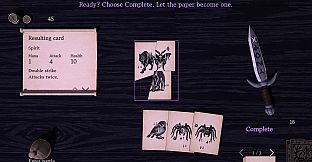
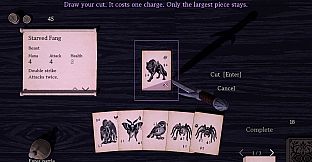
The central activity involves examining individual cards for their outlines and symbols. A dagger serves as the tool to slice along chosen lines, separating sections that will either be kept or discarded. Retained fragments then move into an assembly phase where they overlap with pieces from other cards. Glue holds the layers in place, hiding unwanted elements while exposing desired ones to form a single functional card.
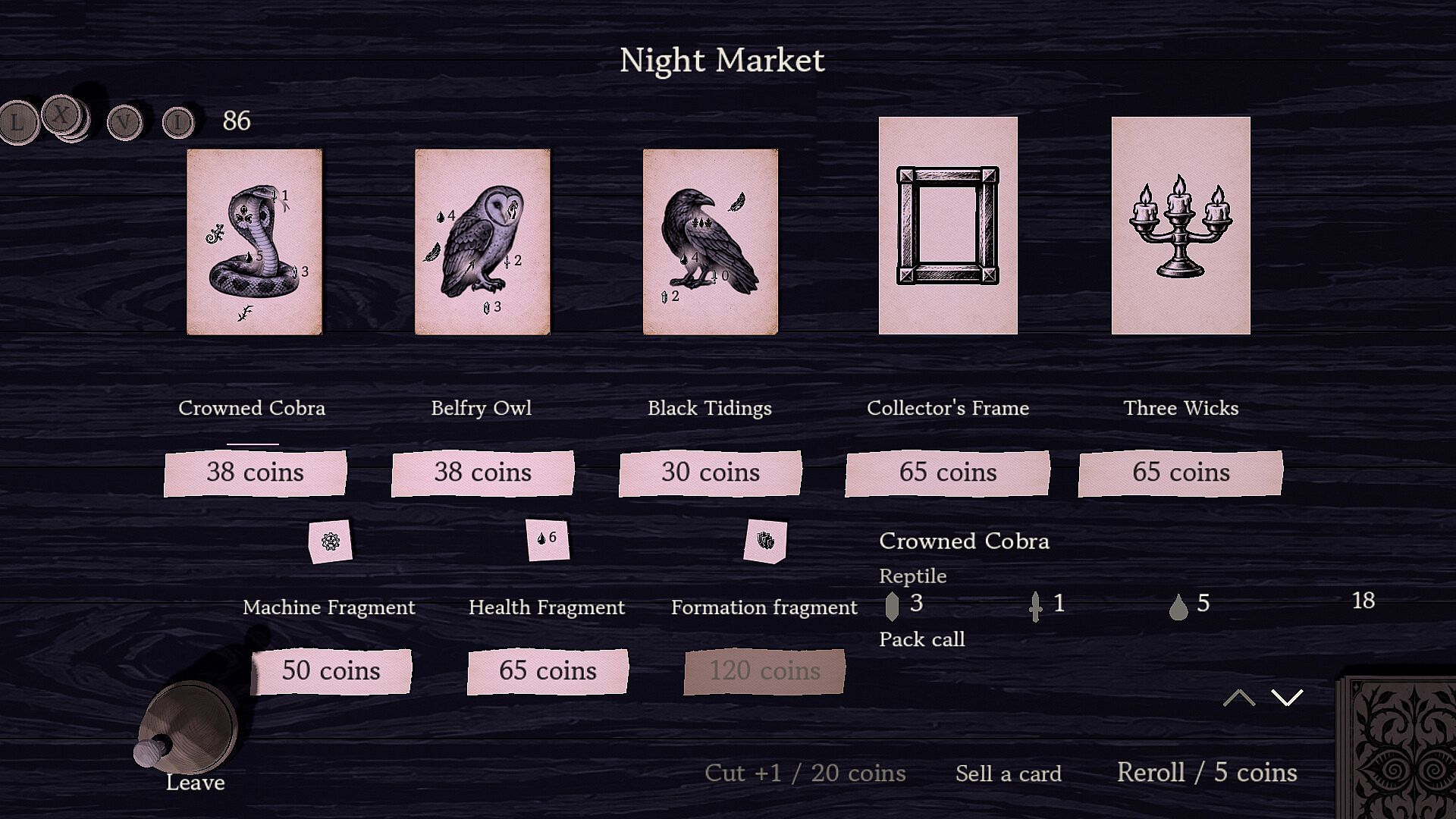
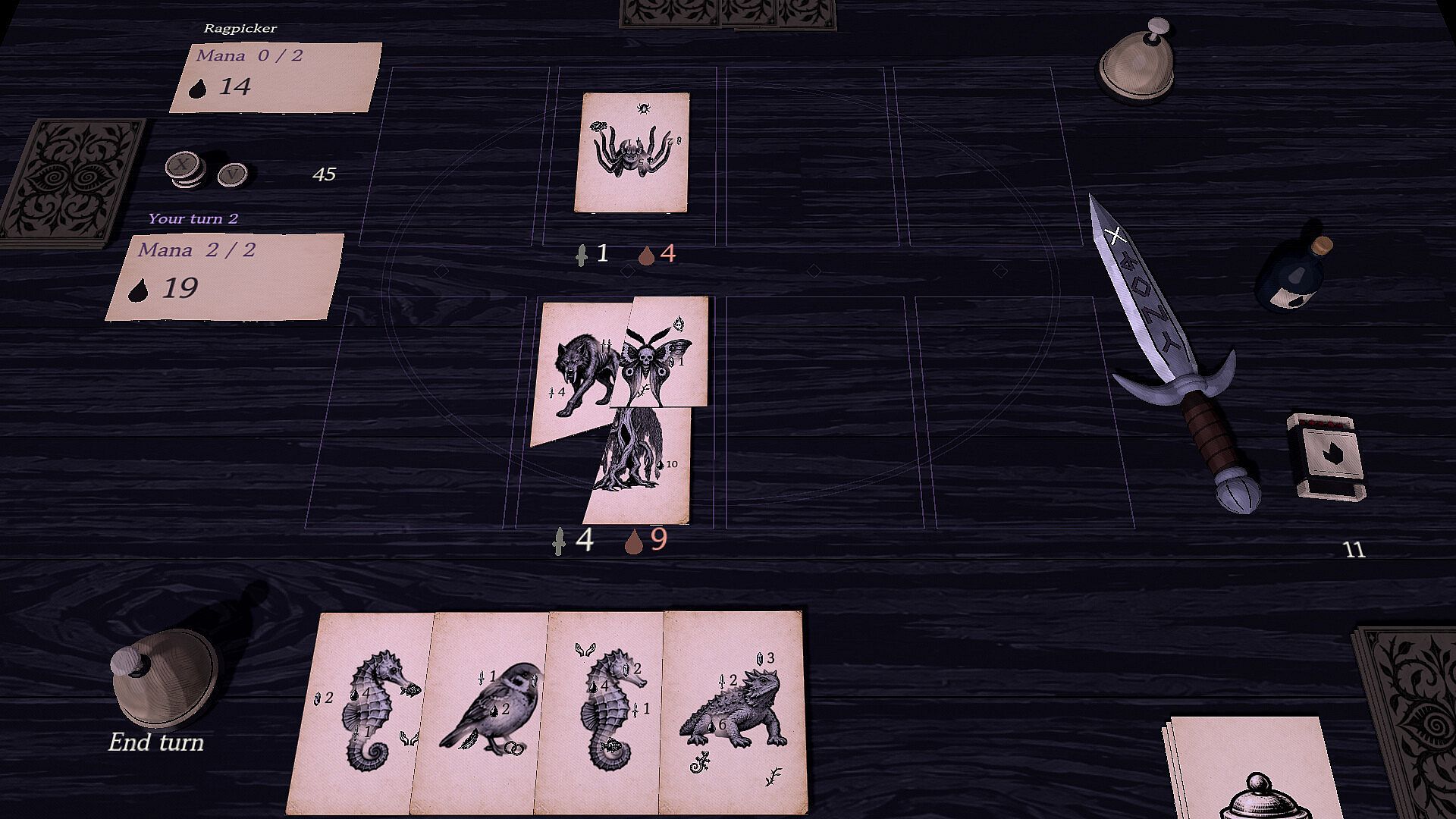
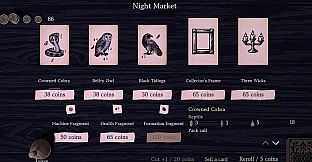
Once assembled, these handmade cards enter battle sequences. Abilities from the combined fragments activate together, allowing synergies that depend on how the pieces were arranged. The process repeats across multiple encounters, with each new card influencing the next set of choices. Resource management appears through the purchase of fresh fragments and relics at certain points, alongside the option to sell cards that no longer fit the current collection. Ink strengthening provides another layer of customization for cards already in the deck.
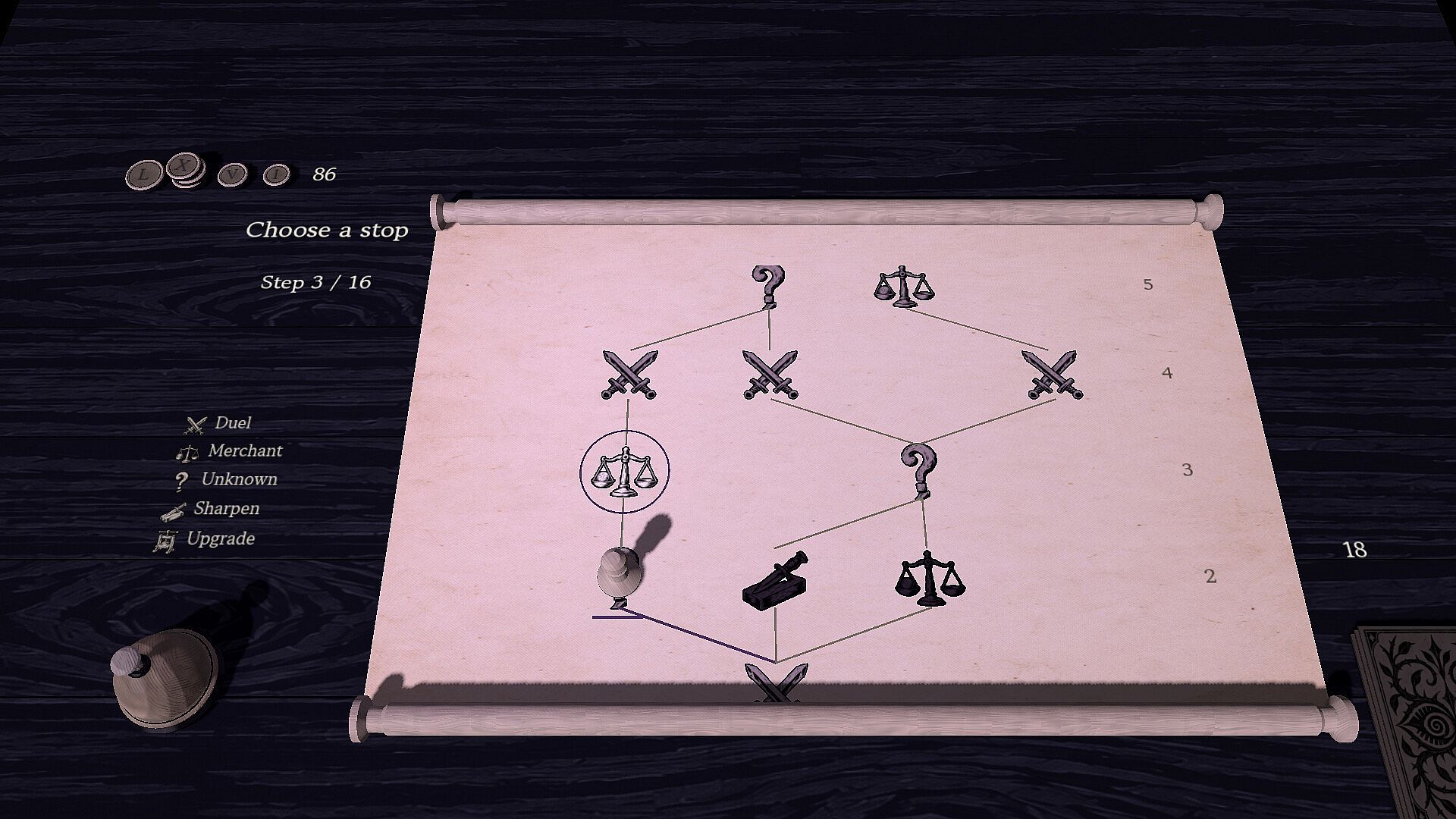
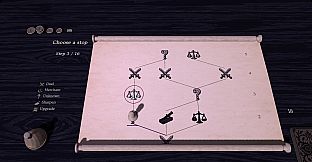
Progression follows a path with branching decisions. Each fork presents opportunities to expand or refine the deck before the next series of battles. The roguelike structure means runs vary based on which fragments appear and how they are combined.
Game Modes
The game operates as a single-player experience focused on successive runs through the witch's challenges. No separate competitive or cooperative modes appear in the available information. The structure emphasizes repeated attempts at building effective decks, with each run allowing different fragment combinations and battle outcomes.
Combat occurs within the roguelike framework, where players deploy their crafted cards against successive opponents. Success depends on the specific abilities created through the collage process rather than on pre-set decks. The absence of named sub-modes keeps the focus on the card-creation loop as the primary activity.
Deck Building and Customization
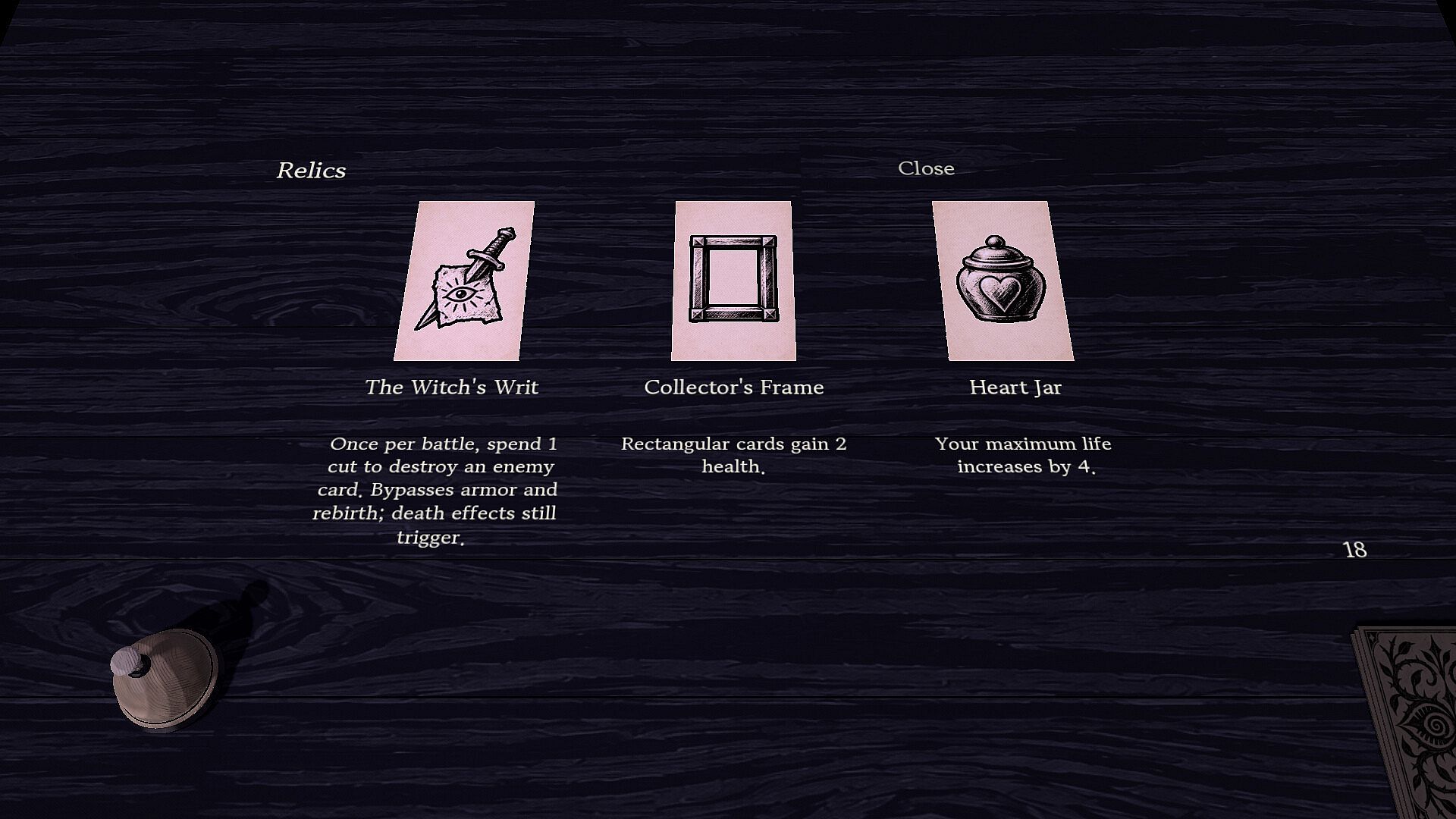
Deck ownership develops through ongoing decisions about which fragments to acquire and which completed cards to retain or replace. Relics add further options for altering card properties during assembly. The system rewards experimentation with overlaps and layer orders, as different arrangements produce distinct ability sets for use in combat.
Players manage limited resources across runs, deciding when to invest in new materials or strengthen existing ink. This creates a cycle where early choices affect later battle performance, encouraging adaptation to the fragments encountered along the path.
Is It Worth Playing?
Witch Collage targets players who enjoy strategy games centered on card crafting rather than standard deck-building from fixed pools. The unique cutting and layering mechanic offers a hands-on approach to creating abilities, which may appeal to those seeking something different from conventional roguelike card games. As an upcoming title scheduled for 2027 with no user reviews available yet, its reception remains undetermined. Those interested in single-player experiences that emphasize creative assembly and iterative deck refinement will find the described systems align with that preference. Availability on PC supports accessibility for the target audience once released.