

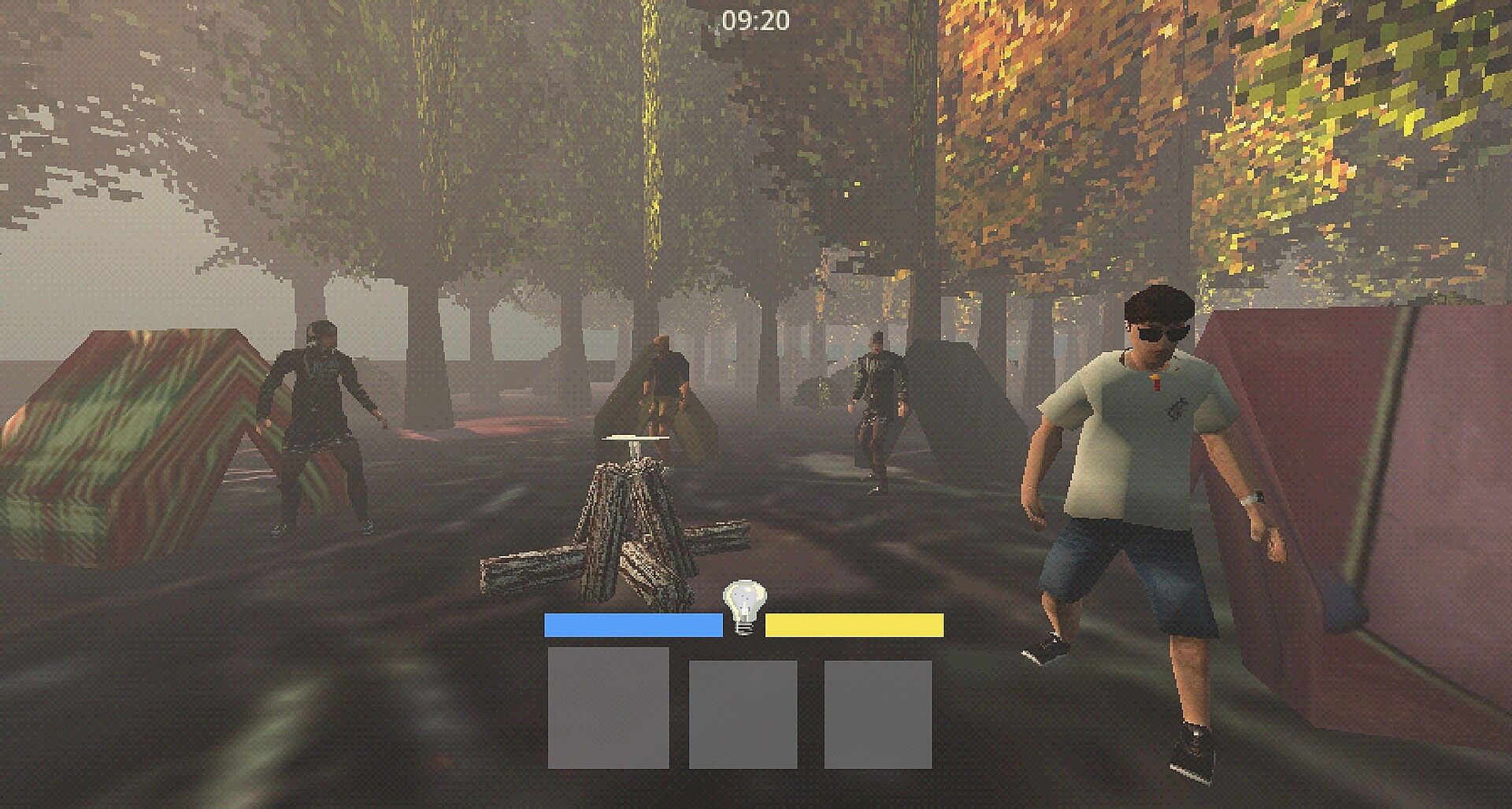
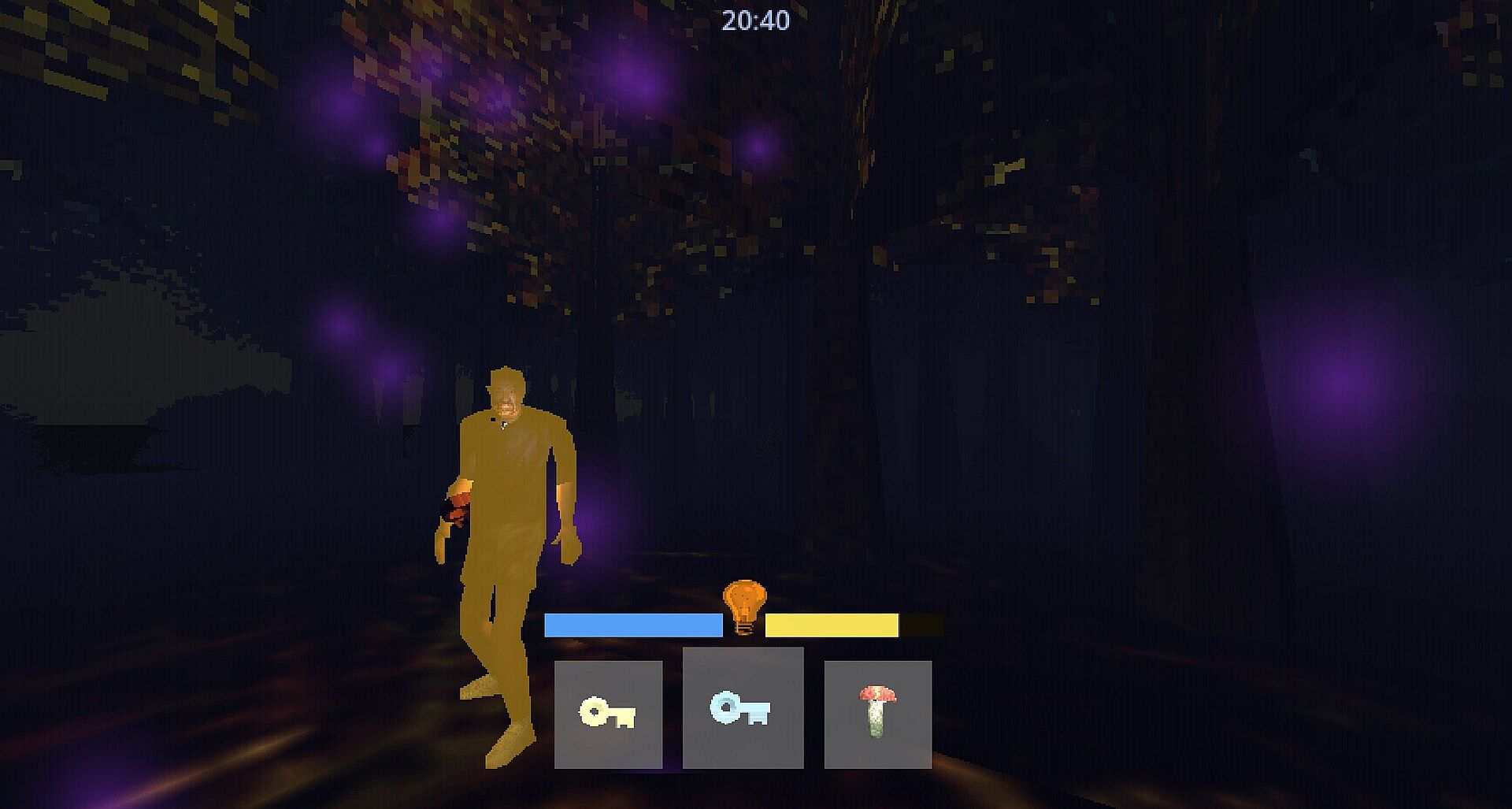
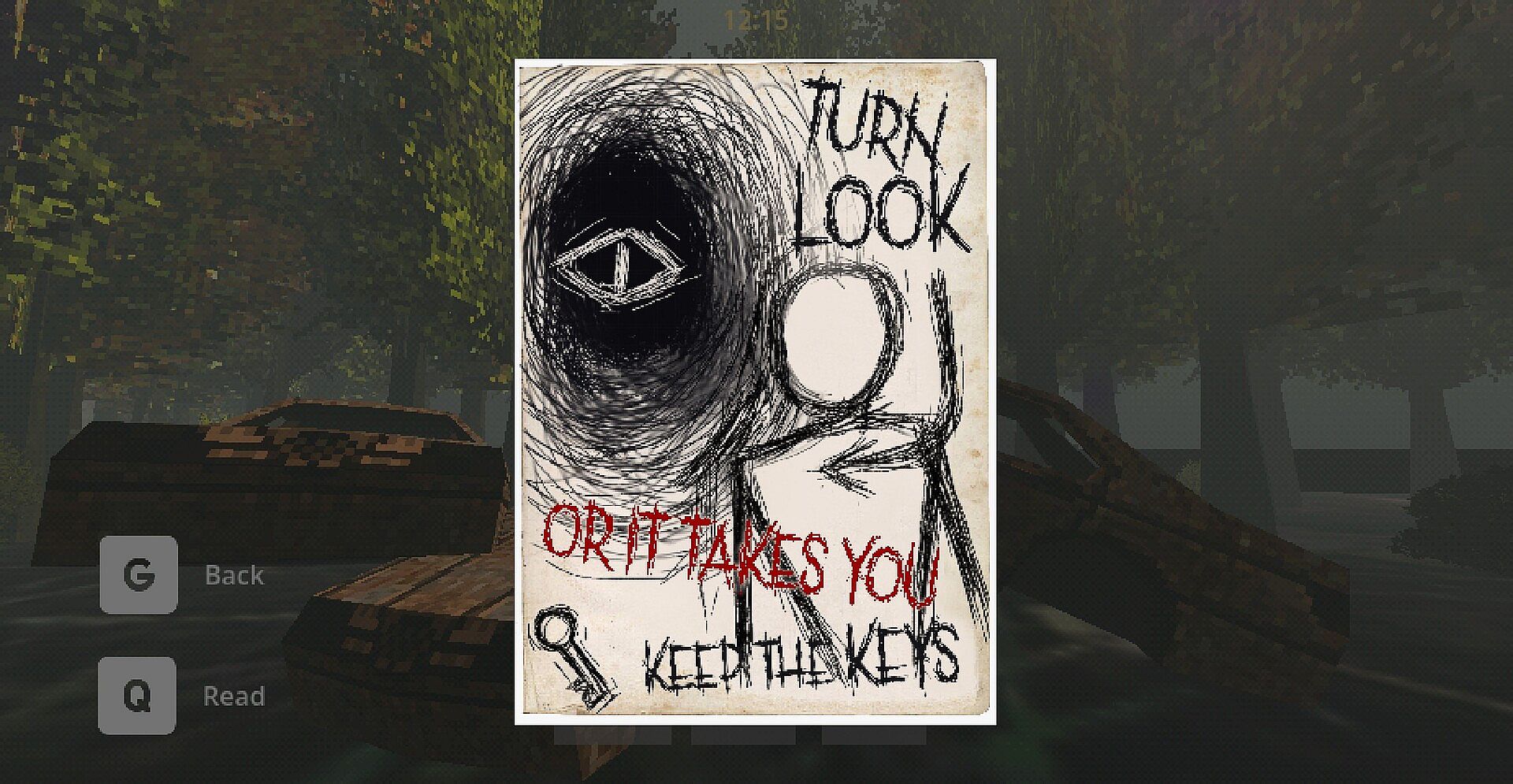
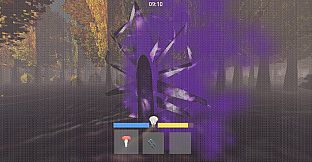
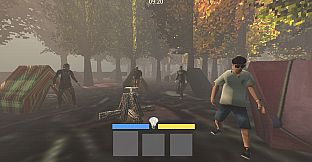
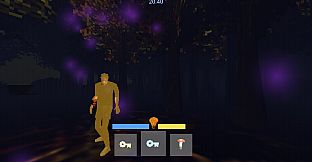
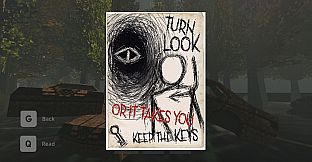
Your Friends Vs Hidebehind is a co-op survival horror game for up to six players on PC. Players enter a procedurally generated forest that changes with every session, gather supplies, locate keys, and reach a bunker exit while an unseen entity tracks their movements. The experience centers on limited resources, unreliable perception, and the integration of real player voices into the horror.
Gameplay
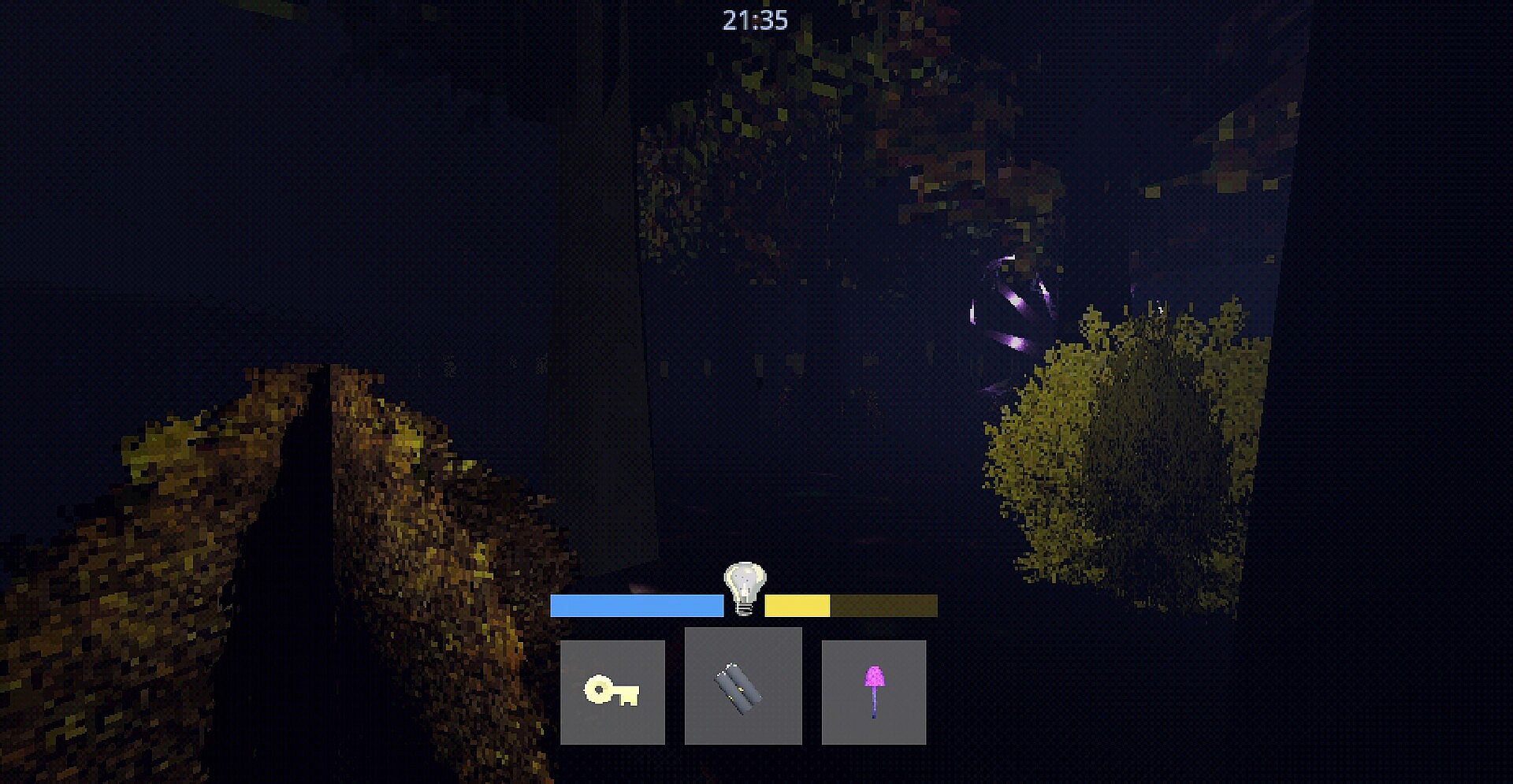
The core loop revolves around exploration and resource management in a forest that never repeats its layout. Players navigate dark paths with a flashlight that consumes batteries, forcing constant choices between visibility and stealth. Light can reveal paths or signal teammates, yet it also risks drawing attention from whatever watches from the shadows. Being without light leaves players vulnerable to misreading terrain or missing critical items like keys.
Voice recording forms a central system. The game captures short audio clips of players screaming, laughing, or reacting in real time. These recordings play back during key moments, such as when a player is taken by the entity. Each group's unique vocal patterns create distinct audio experiences across runs. Proximity voice chat further ties communication to survival, as teammates must coordinate without always sharing the same view of the environment.
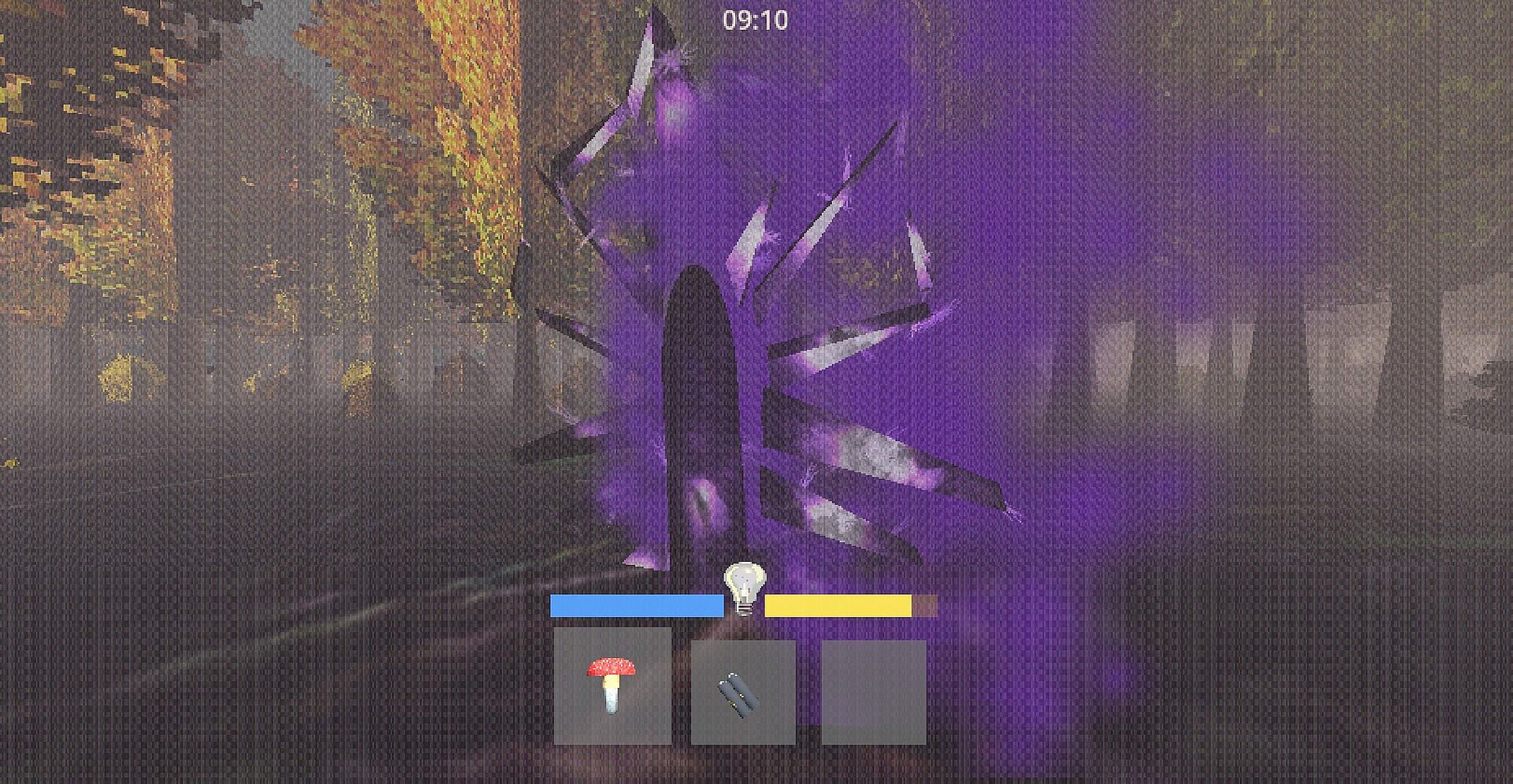
Asymmetric perception adds tension. The forest does not appear identical to every player, so one person may spot a path or threat that others miss. This setup demands clear descriptions and agreement on what the group sees, turning basic navigation into a test of shared understanding. The entity itself behaves inconsistently, revealing itself differently to individuals and never following the same pattern twice.
Game Modes
The game supports online co-op sessions for groups of varying sizes up to six players. All participants work together toward the same objectives: exploring the forest, collecting necessary items, locating keys, and reaching the bunker. No separate competitive or solo modes are listed. Sessions emphasize teamwork under pressure, with the procedural generation ensuring each attempt feels fresh regardless of group size.
Host requirements scale with player count, and the system accommodates both small and larger parties through the same core survival structure. Communication remains essential across all group sizes, as differing perceptions of the forest can lead to confusion or separation if players do not stay aligned.
Key Mechanics and Atmosphere
Flashlight management extends beyond simple illumination. Drained batteries create moments where players must decide whether to conserve power or risk moving blind. Shadows and movement become sources of constant second-guessing, amplified by the entity's unpredictable presence.
The voice system extends the horror beyond visuals. Recorded reactions integrate directly into gameplay events, making every session sound personal. Sudden disappearances occur without graphic violence, relying instead on implication and audio cues to maintain tension. Dark environments and suspenseful sound design reinforce the psychological focus.
System requirements remain modest, supporting a broad range of PCs with emphasis on stable internet for hosting larger groups. A microphone enhances the voice features but is not mandatory for basic play.
Is It Worth Playing?
The game remains unreleased with a planned 2026 launch and currently carries no user reviews. Its appeal lies in the combination of procedural exploration, resource decisions, and voice integration within a co-op horror framework. Groups that enjoy tense communication challenges and asymmetric experiences may find the mechanics engaging once available. Those seeking established player bases or frequent updates should monitor development progress, as the title has no confirmed post-launch content at this stage. The focus on personal audio and shared uncertainty sets it apart for players interested in intimate co-op horror rather than large-scale action.