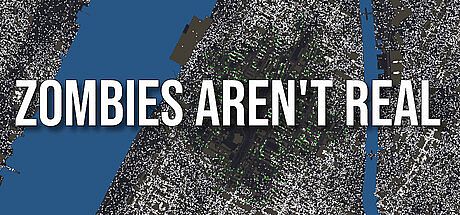


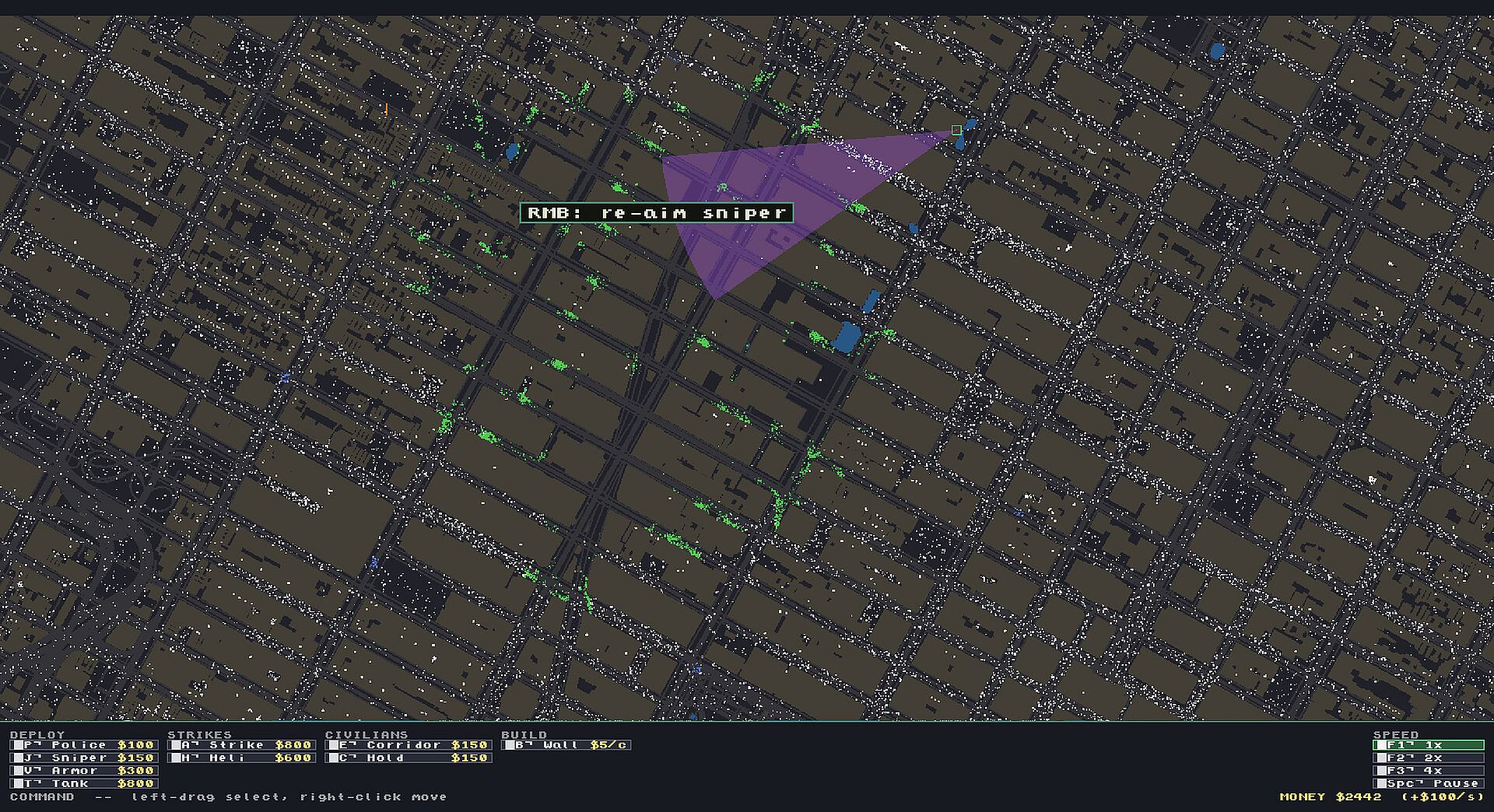
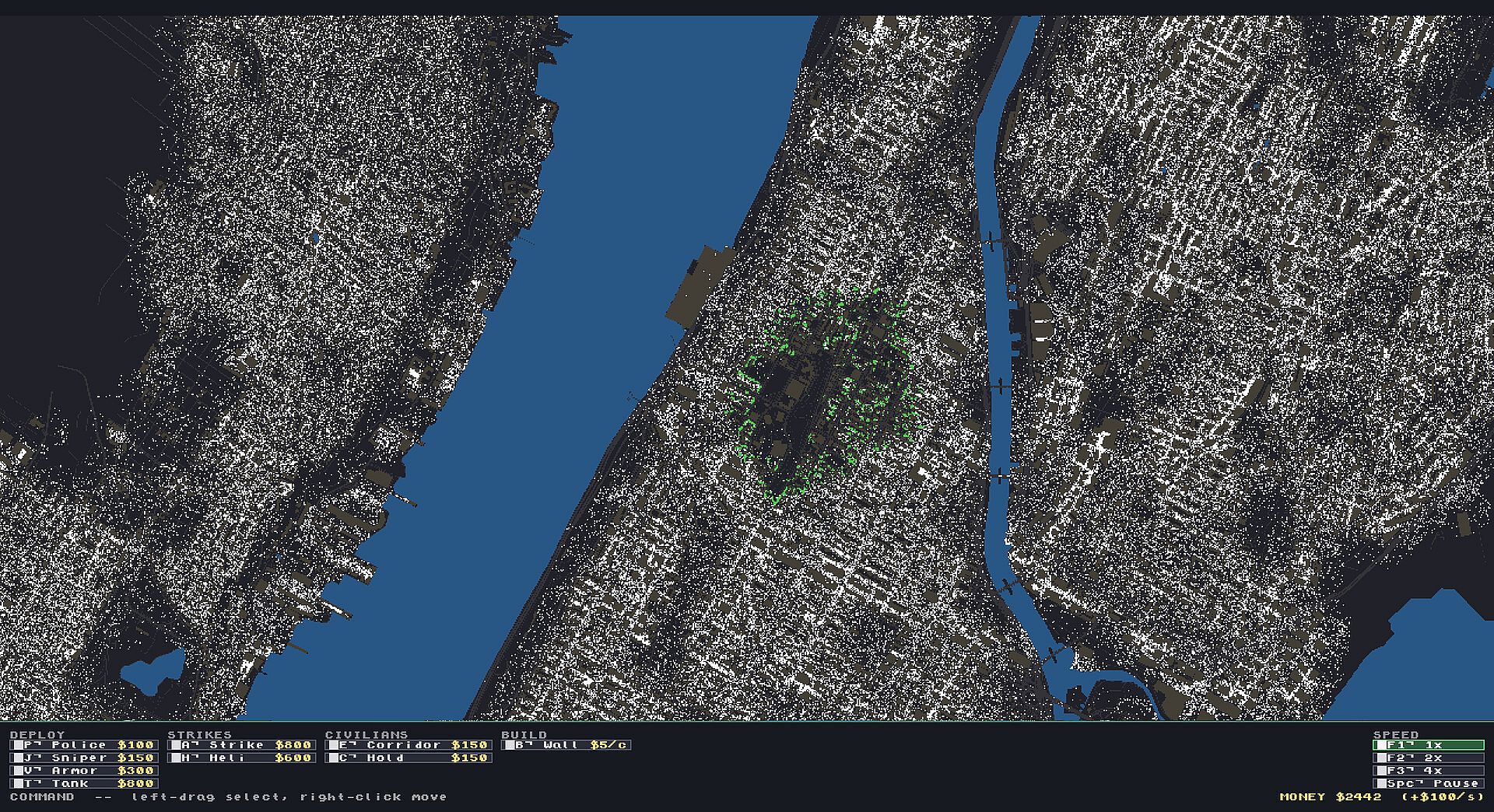
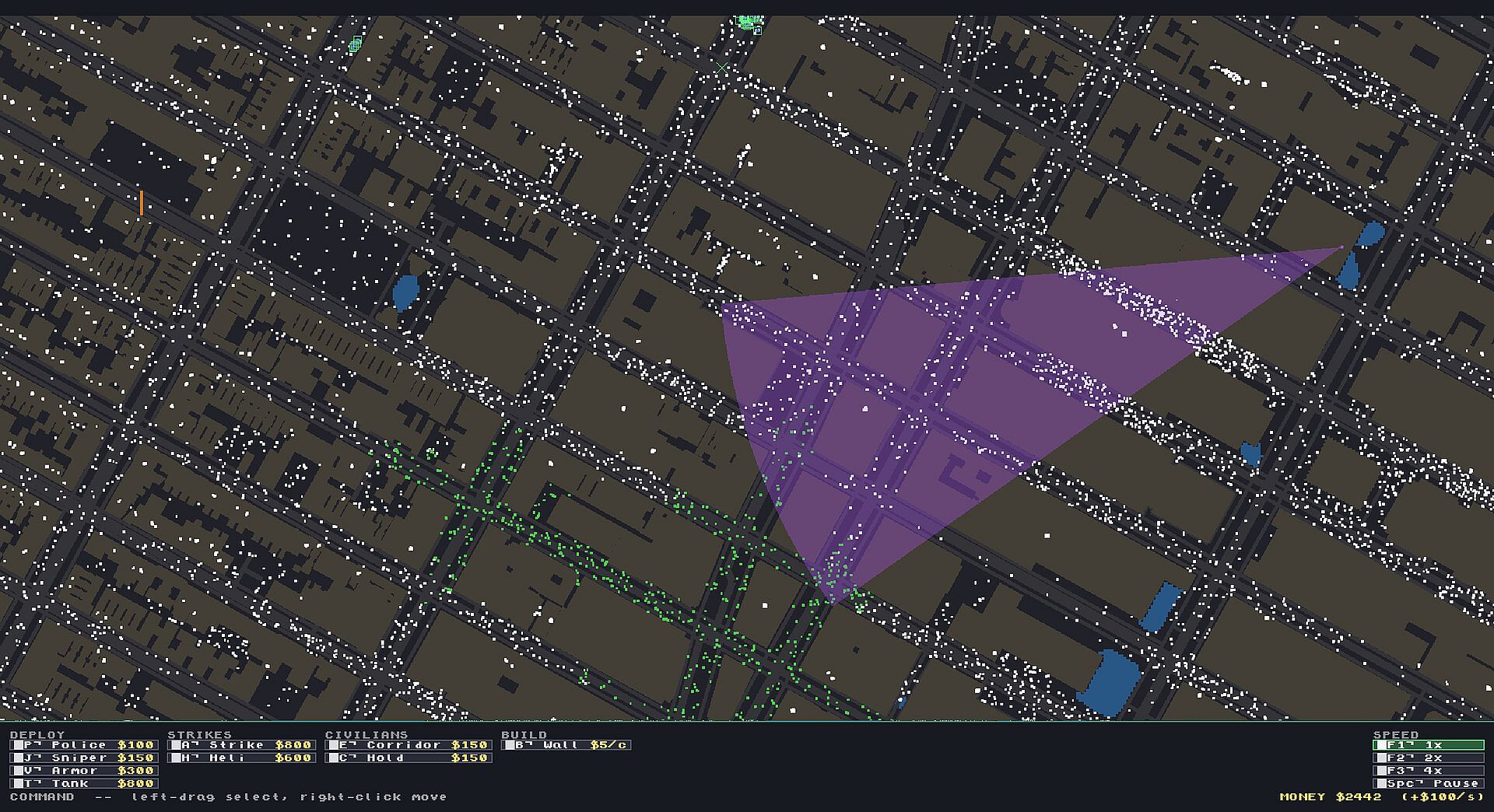
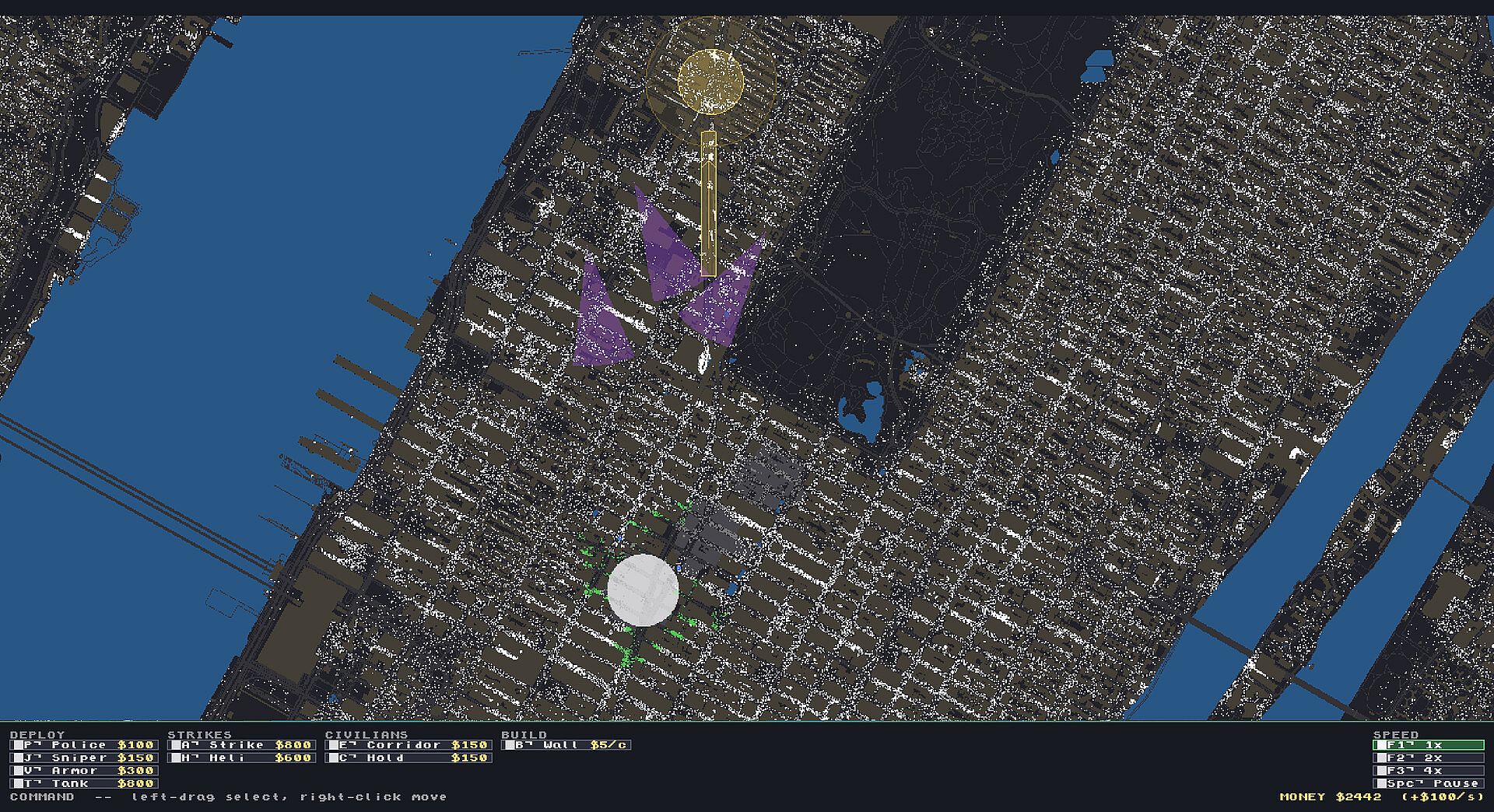
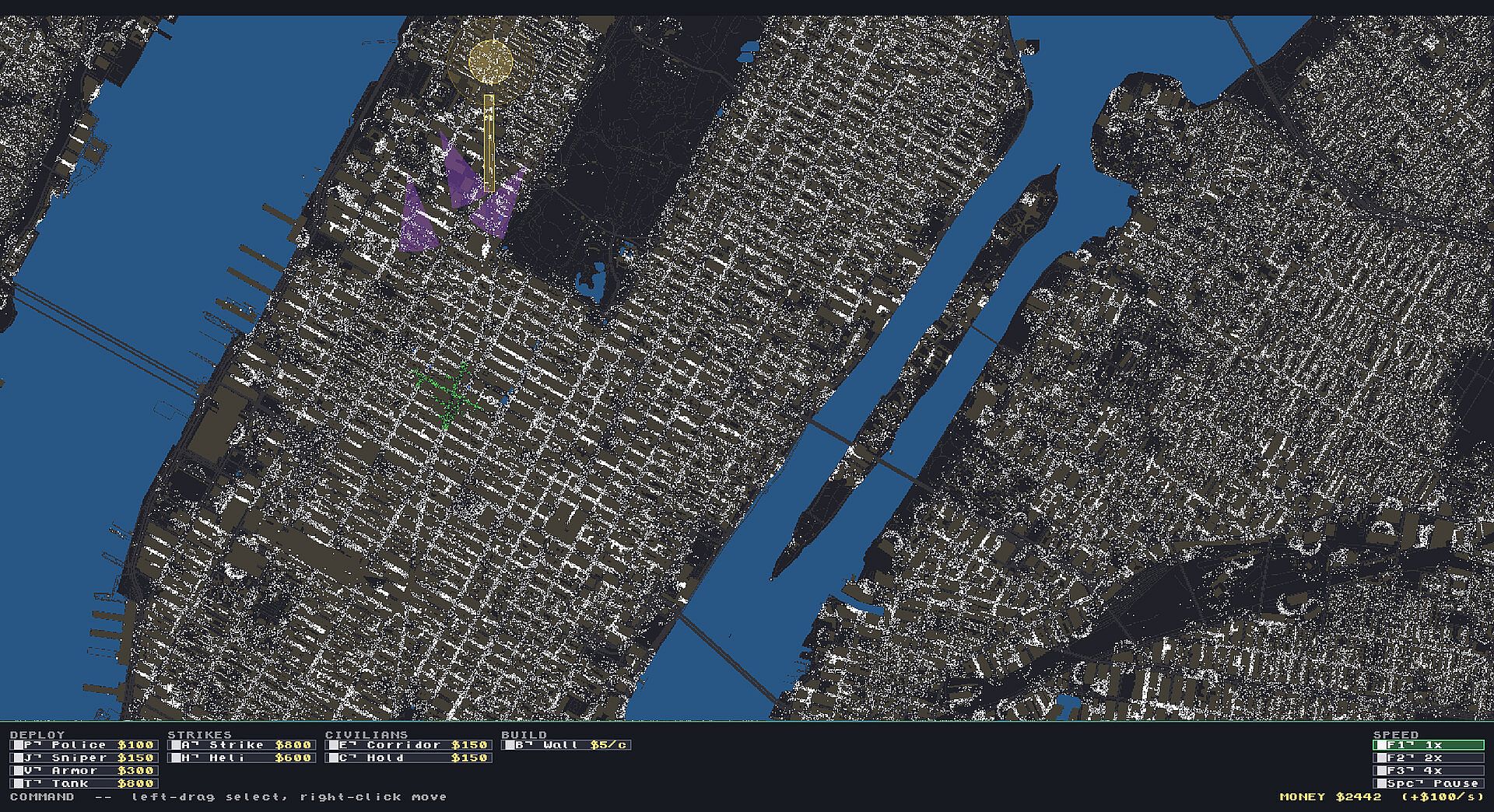
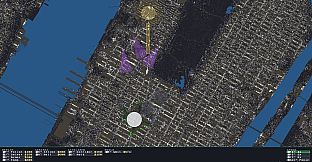
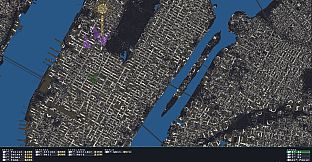
Zombies Aren't Real is a top-down strategy game set on PC that puts players in command of military responses to a spreading zombie outbreak across recognizable city maps. The core experience centers on containing the infection while protecting civilian populations through careful placement of units and timely interventions.
Gameplay
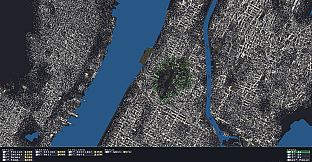
Each encounter opens with a clear overhead view of a city layout, highlighting the initial infection point and allowing time for setup before the outbreak accelerates. Limited resources require deliberate decisions on force deployment, perimeter establishment, and civilian protection priorities. Once the zombies begin moving outward, the situation demands constant adjustment as the horde expands and tests defensive lines.
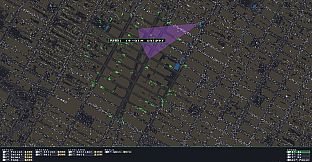
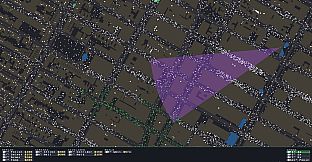
Ground units form the foundation of responses, including snipers for targeted elimination, tanks for holding key positions, and armored personnel carriers for mobile support. Barricades help channel the spread into manageable areas, while evacuation stations provide routes for civilians to escape harm. When containment falters, air support becomes available in the form of bombers or gatling gun helicopters, though precise targeting is essential to avoid unnecessary civilian losses. Success hinges on clearing every zombie while maximizing the number of survivors, which directly influences the final score.
Progression unlocks a loadout system that lets players invest in upgrades and specializations for specific units and vehicles. This encourages repeated playthroughs focused on refining particular strategies, such as emphasizing ranged firepower or heavy armor.
Game Modes
The game structures its challenges around individual levels set in real-world urban environments. Each level follows the same fundamental loop of preparation, active response, and evaluation based on civilian survival rates. No separate competitive or cooperative modes appear in the available details, keeping the focus on single-player tactical decision-making across varied city maps including New York, Paris, and Los Angeles.
Adaptation remains central regardless of the specific city chosen. Players must respond to how the infection propagates through different street layouts and population densities, repositioning forces dynamically as needed. The emphasis stays on real-time adjustments rather than pre-set objectives beyond total zombie elimination and civilian preservation.
Strategic Depth and Progression
Resource management and positioning create the main layers of strategy. Early planning establishes initial defenses, but the spreading infection often forces mid-level changes that test flexibility. Upgrades in the loadout screen add long-term progression by improving unit effectiveness or unlocking new capabilities for future levels. This system rewards experimentation with different force compositions while building familiarity with how zombies interact with terrain and barriers.
Air strikes introduce a high-risk, high-reward element that can turn the tide but requires careful execution. The combination of ground forces, static defenses, and aerial options gives players multiple tools to shape the battlefield without overwhelming complexity.
Is It Worth Playing?
Players who enjoy deliberate, top-down strategy with real-time adaptation will find a focused experience in managing outbreaks across detailed city maps. The emphasis on saving civilians alongside eliminating threats adds a layer of tension that distinguishes it from pure combat scenarios. Those seeking quick sessions or multiplayer options may find the level-based structure less appealing, as the game prioritizes thoughtful planning and on-the-fly adjustments in a single-player format. Availability on PC makes it accessible for strategy fans looking for a contained tactical challenge without additional modes or ongoing seasonal content.