








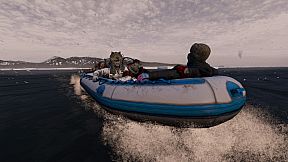
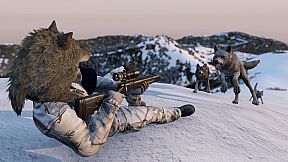
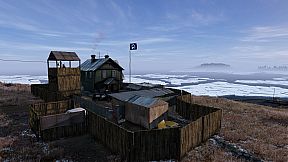
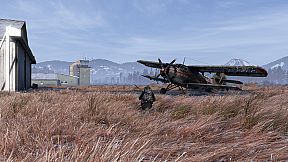
DayZ Cool Edition delivers a hardcore multiplayer survival experience on Xbox One and Xbox Series consoles. Players enter a post-apocalyptic world filled with infected hordes and competing survivors, where every decision affects long-term survival across two distinct official maps.
Gameplay
The core loop centers on resource management and environmental adaptation. Survivors scavenge for food, water, clothing, and weapons while monitoring health indicators such as blood levels and temperature. Bleeding from injuries requires bandages or other medical items to stop, and prolonged exposure to elements can lead to hypothermia or other status effects.
On the Livonia map, dense forests and rivers demand careful navigation without coastal landmarks for orientation. Players encounter frequent rain that soaks gear and increases the risk of infection or reduced mobility. Wildlife like bears adds another layer of threat in the wilderness areas.
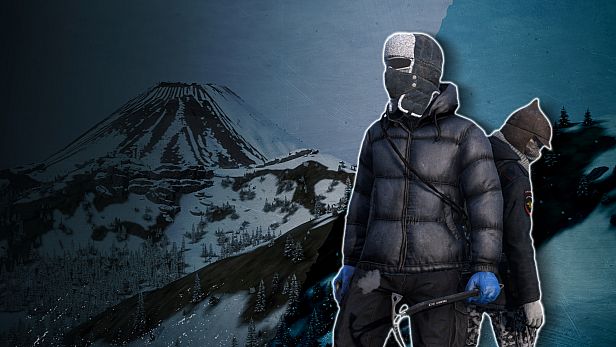
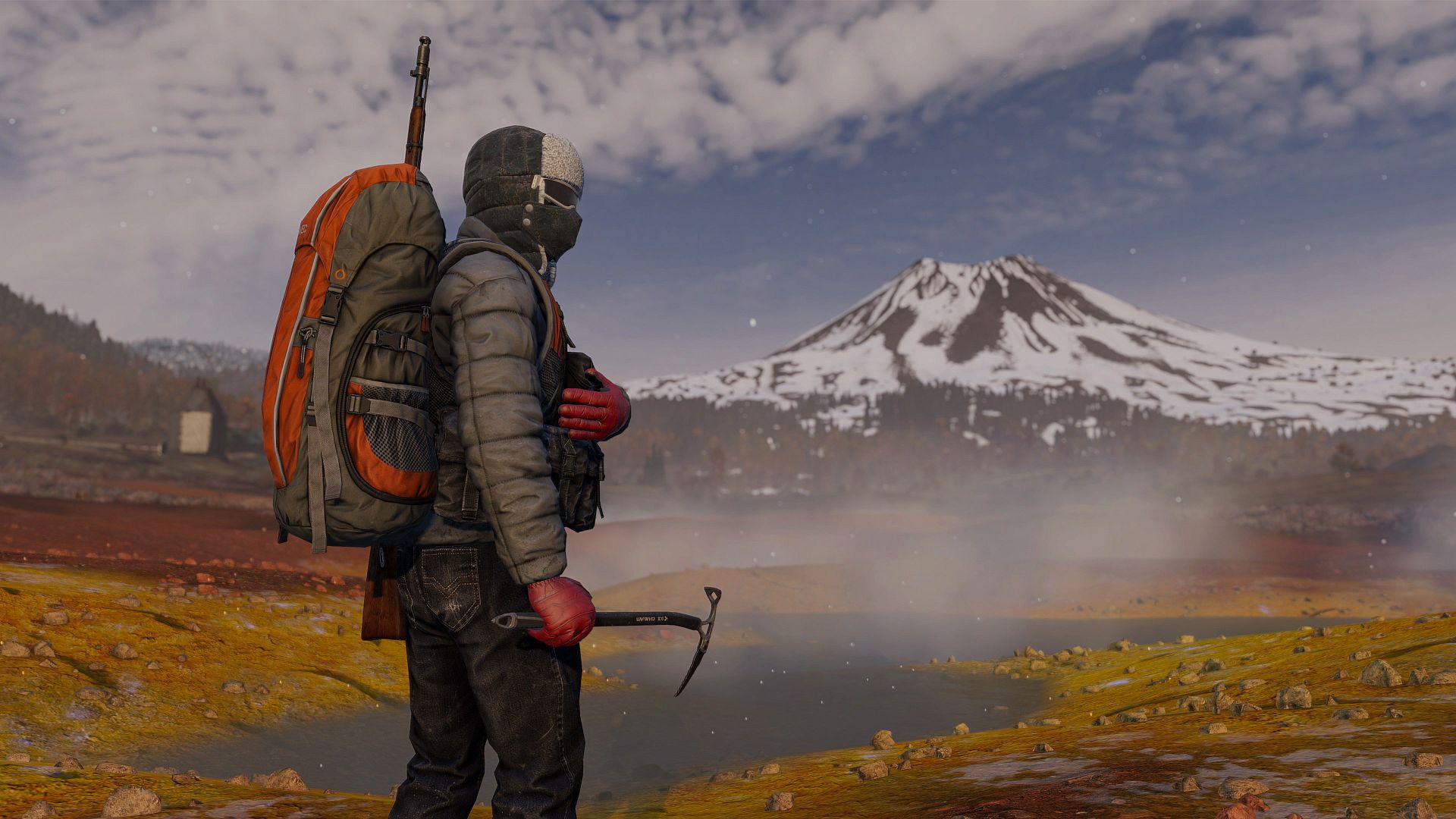
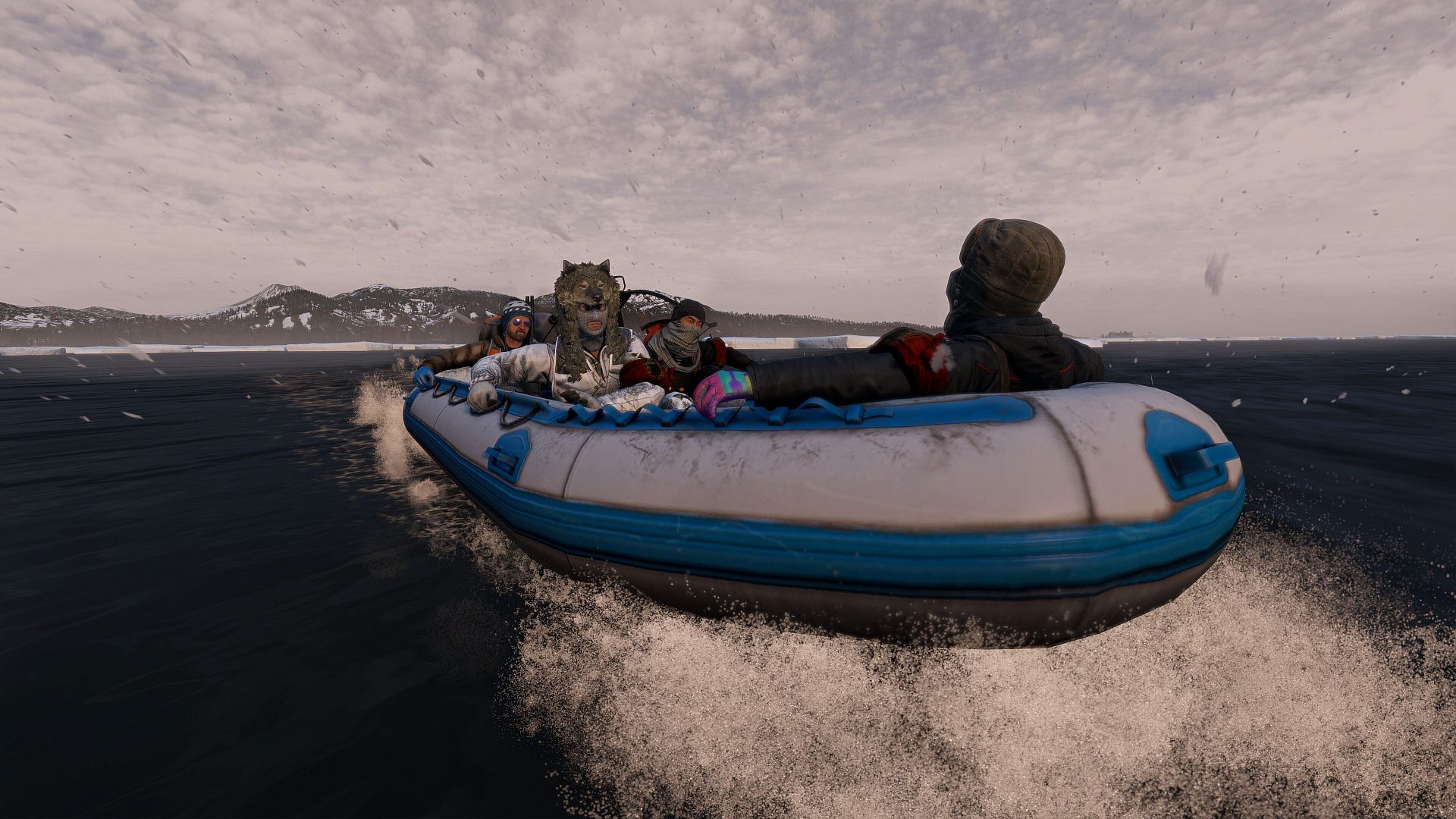
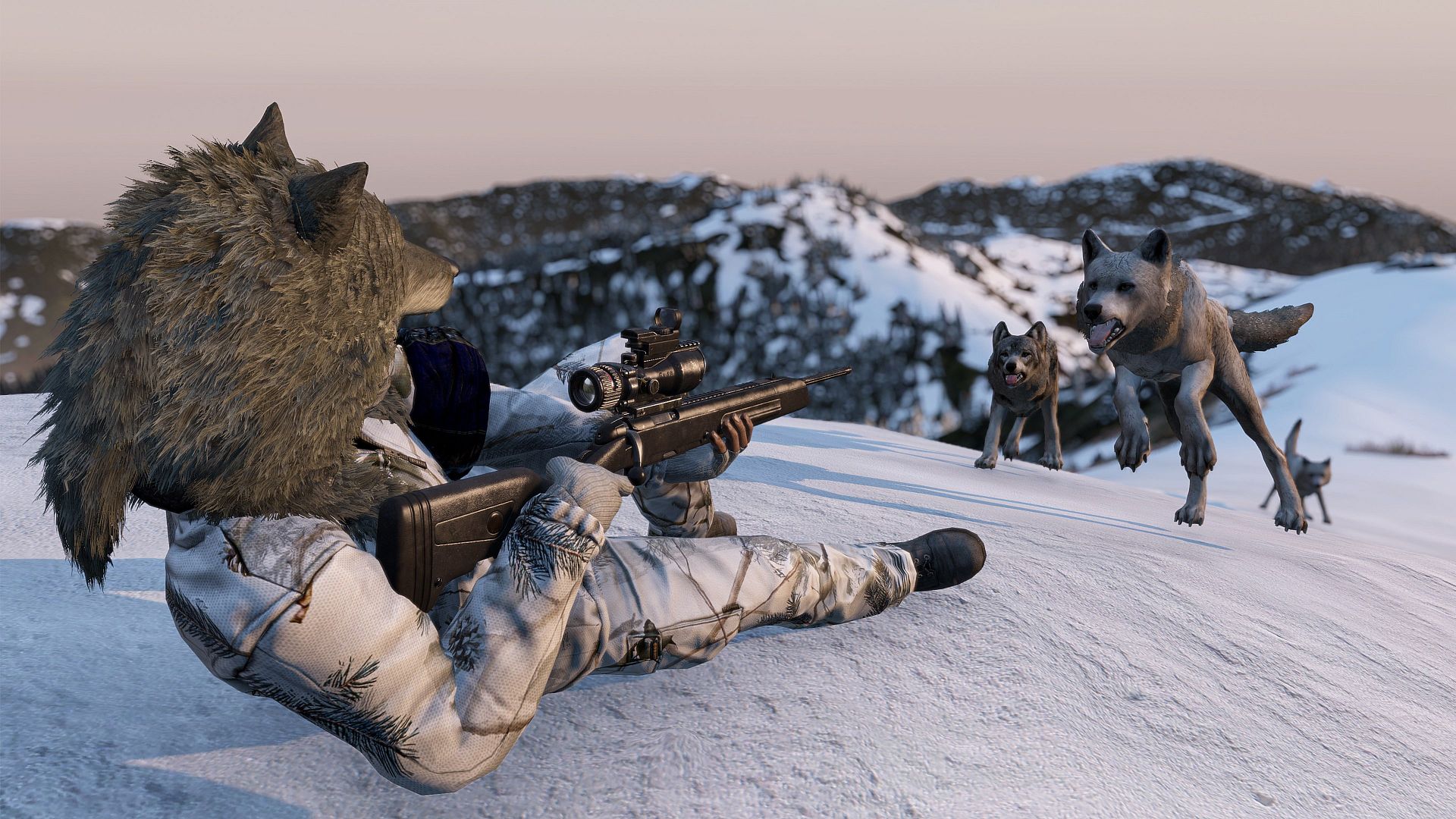
The Sakhal map introduces extreme cold as a primary adversary. Items carry temperature values, and food progresses through states from hot to frozen, requiring players to warm meals before consumption. Volcanic activity contaminates snow and water sources, creating risks of heavy metal poisoning that demand specific countermeasures. Hunting and fishing become essential due to scarce supplies, while hot springs and insulated clothing provide limited relief in the windy, icy terrain.
Combat involves both melee and ranged weapons against infected and other players. Vehicles offer faster travel but require fuel and repairs. Crafting and base building allow for storage and defense, though persistent servers mean progress carries over across sessions until death resets the character.
Game Modes
DayZ operates through persistent multiplayer servers rather than traditional match-based modes. Official servers run the core vanilla experience with shared character progression across maps, separated into first-person and third-person variants. These emphasize balanced loot economies and standard rules.
Community servers provide alternative settings, often with modified rules, increased loot, or roleplay elements. Players select servers based on population, difficulty preferences, and whether they favor cooperative or competitive interactions. No single-player option exists, as the experience relies on interactions with other survivors and the infected population.
Maps and Exploration
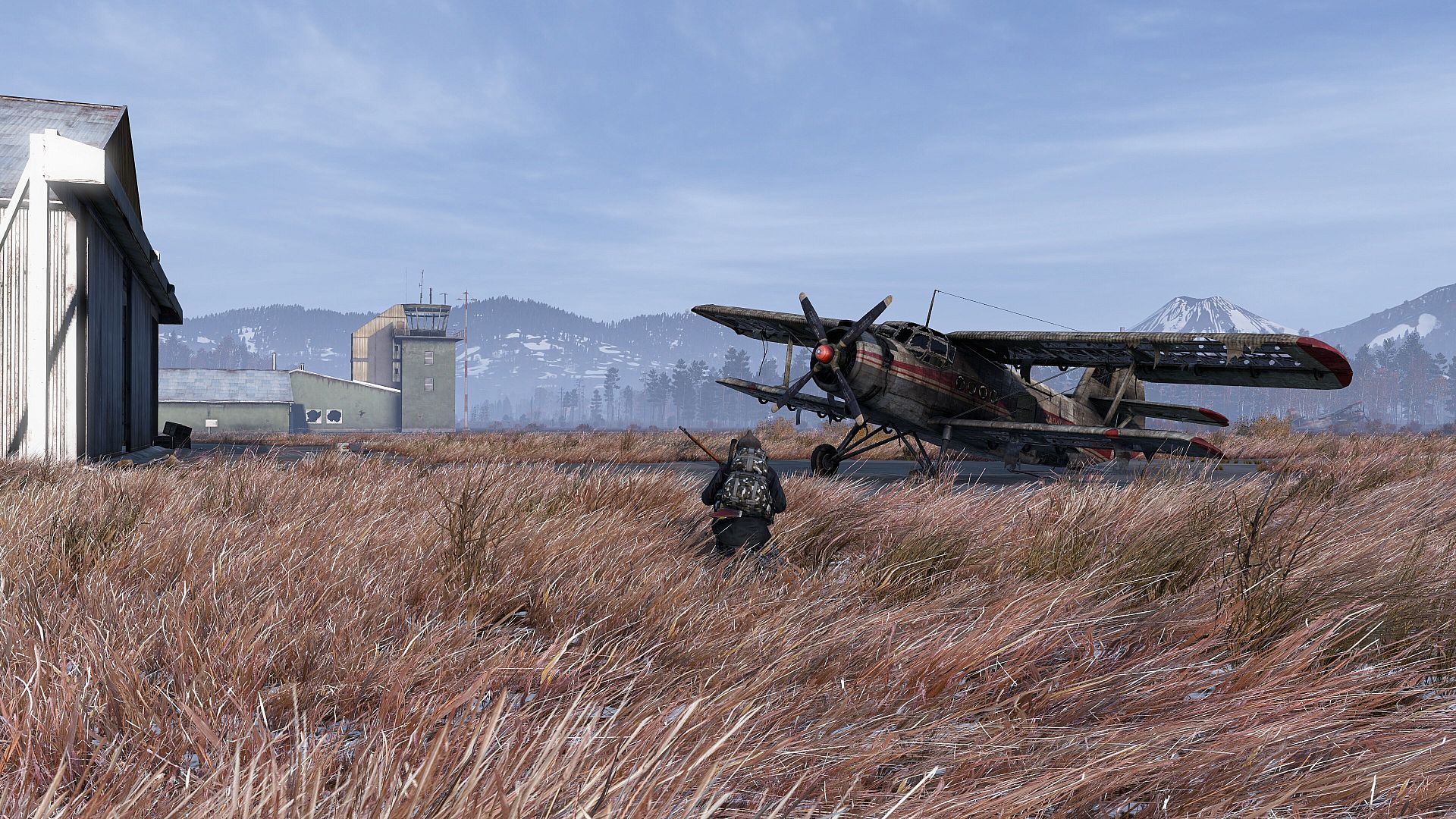
Livonia spans 163 square kilometers of landlocked terrain with thick woodlands, overgrown fields, and scattered settlements. The environment feels more claustrophobic than open coastal areas, pushing players toward inland military sites and hidden bunkers for high-value loot.
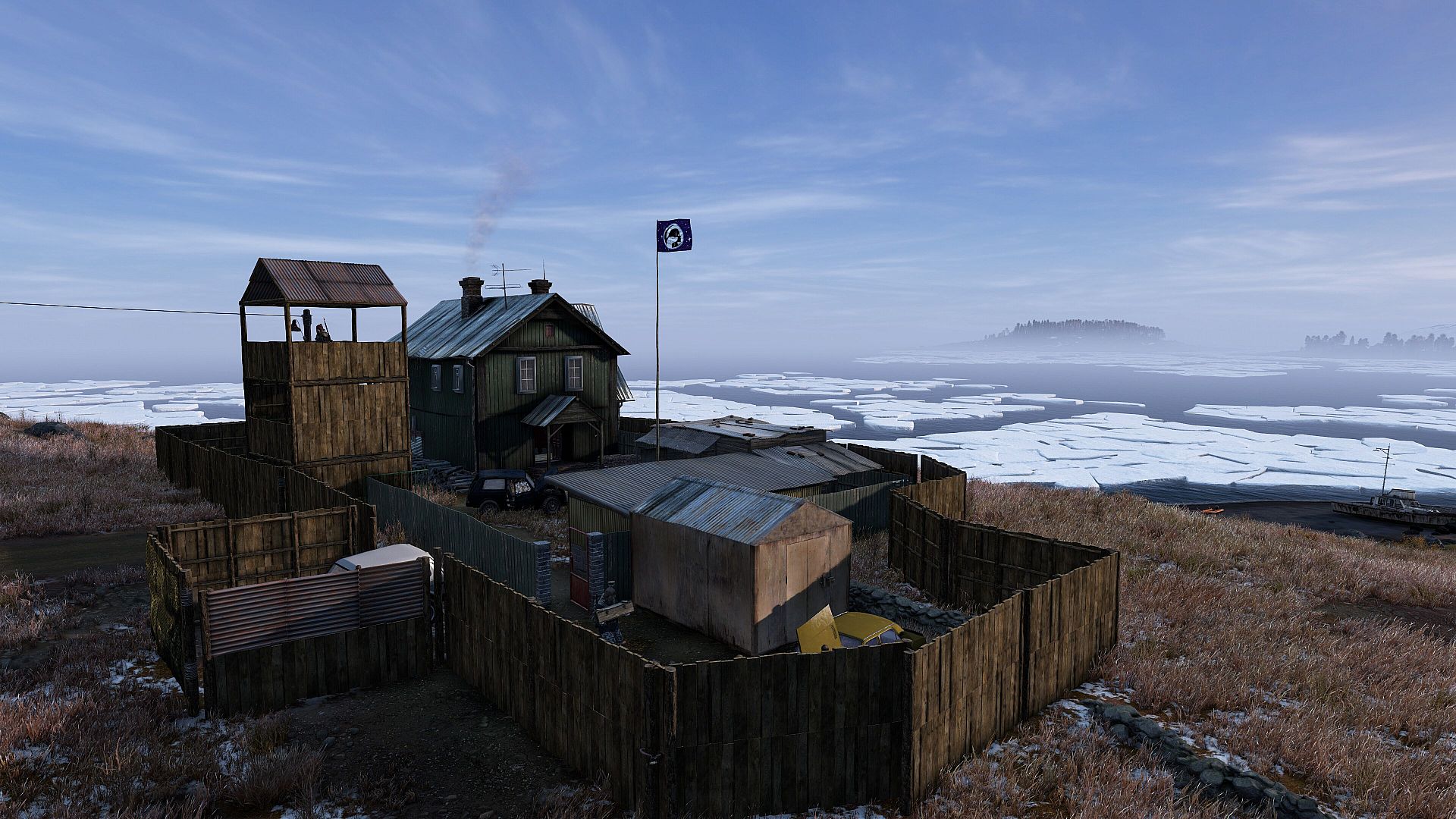
Sakhal covers an 83 square kilometer frozen volcanic archipelago with hilltops, forests, ice fields, and a naval base. Navigation relies on landmarks amid blizzards and ash contamination zones. The smaller scale concentrates encounters while amplifying environmental hazards like frozen supplies and volcanic threats.
Is It Worth Playing?
The game maintains an active player base with regular updates and ongoing support across platforms, including recent expansions that add new maps and mechanics. It suits players who enjoy long-term progression, risk management, and emergent stories from player interactions in a shared world.
Those seeking quick sessions or solo-friendly design may find the steep learning curve and constant threats frustrating. The bundle provides immediate access to both Livonia and Sakhal, offering variety without additional purchases. Continued development signals sustained interest from the community and developers alike.