




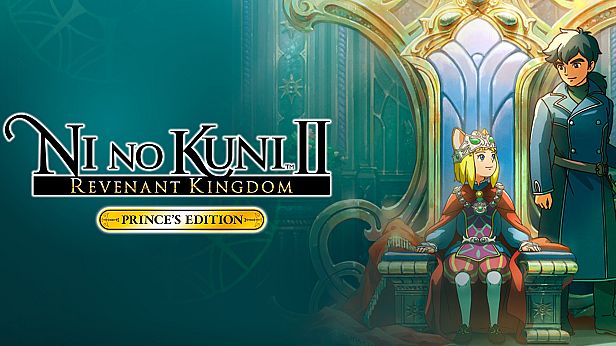


















Ni no Kuni II: Revenant Kingdom is a single-player action role-playing game set in a vibrant fantasy world. Players follow the journey of a young ruler who must establish a new nation while facing threats from rival realms and dark forces. The experience blends character-driven exploration with real-time combat and management systems that encourage steady progression through quests and side activities.
Gameplay
The core loop centers on third-person exploration across an open world presented in a distinctive diorama style on the world map. Characters move between towns, villages, and dungeons while completing linear story quests that advance the narrative. Free roaming allows discovery of hidden areas and encounters with enemies that trigger battles on open fields.
Combat operates in real time with a party of three characters. Players directly control one ally at a time while the others act independently. Attacks combine melee strikes with magical abilities, supported by Higgledies, small elemental creatures that provide spellcasting and combat bonuses. Up to four Higgledies can join at once, each tied to one of six elements with unique effects.
Kingdom management adds depth through the construction and staffing of facilities in the settlement of Evermore. Players assign citizens to roles that generate resources and unlock shops for equipment. This system ties into story requirements, such as reaching specific development levels to progress certain quests.
Game Modes
The game structures its content around integrated systems rather than separate selectable modes. Story progression relies on quest completion that mixes exploration, dialogue, and combat encounters. Skirmishes function as tactical unit battles where players issue commands to defend or expand territory against enemy forces.
Kingdom building serves as an ongoing management layer. It involves arranging workforces, upgrading structures, and balancing resource production to support both gameplay and narrative goals. These elements interconnect, with skirmish outcomes and facility development influencing access to new areas and upgrades.
Exploration and side quests provide additional structure, encouraging players to revisit locations for secrets and optional objectives. The single-player focus keeps all activities centered on individual pacing without competitive or cooperative elements.
Exploration and World Design
The world map facilitates travel between distinct realms, each with unique themes and inhabitants. Players navigate chibi-style characters across varied environments that reward thorough searching with items and encounters. Dungeons and towns offer contained challenges that contrast with the broader overworld roaming.
Quests often require interaction with multiple locations, promoting repeated visits as the kingdom grows. This design supports a steady rhythm of travel, combat, and management without overwhelming the player with unrelated systems.
Is It Worth Playing?
The game appeals to fans of action RPGs who enjoy a mix of real-time battles, light strategy through skirmishes, and kingdom management. Reception has been generally positive, with critic scores in the low 80s on aggregate sites and Steam user reviews rated Very Positive based on thousands of submissions.
Its single-player campaign delivers a complete experience focused on character progression and world interaction. Players seeking straightforward combat paired with building mechanics will find consistent engagement, while those preferring purely linear action may appreciate the optional depth in management features. The title remains available on PC with no ongoing seasonal content required for the core campaign.


