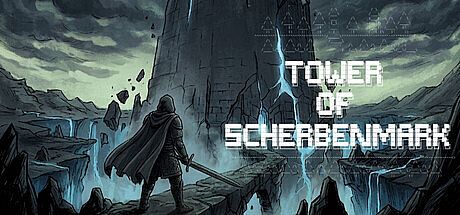



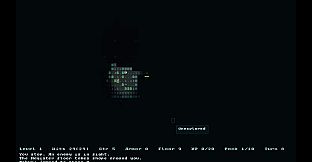
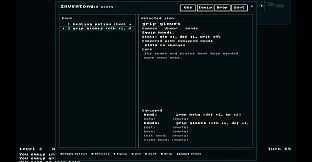
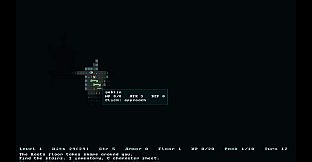
Tower of Scherbenmark ist ein rundenbasiertes ASCII-Roguelike-RPG in der zerbrochenen Welt von Mornhollow. Spieler übernehmen die Rolle eines entschlossenen Geschwisterteils, das in einen verlassenen Forschungsturm hinabsteigt, nachdem ein Familienmitglied dort verschwunden ist. Die Geschichte beginnt in einem zerrissenen Reich aus schwebenden Inseln, arkanen Rissen und Straßen, die sich ohne Vorwarnung verändern. Eine einzelne Notiz warnt davor, dem Echo eines Zaubers zu vertrauen, und legt den Grundton für einen Abstieg voller zurückgelassener Experimente und verborgener Gefahren.
Gameplay
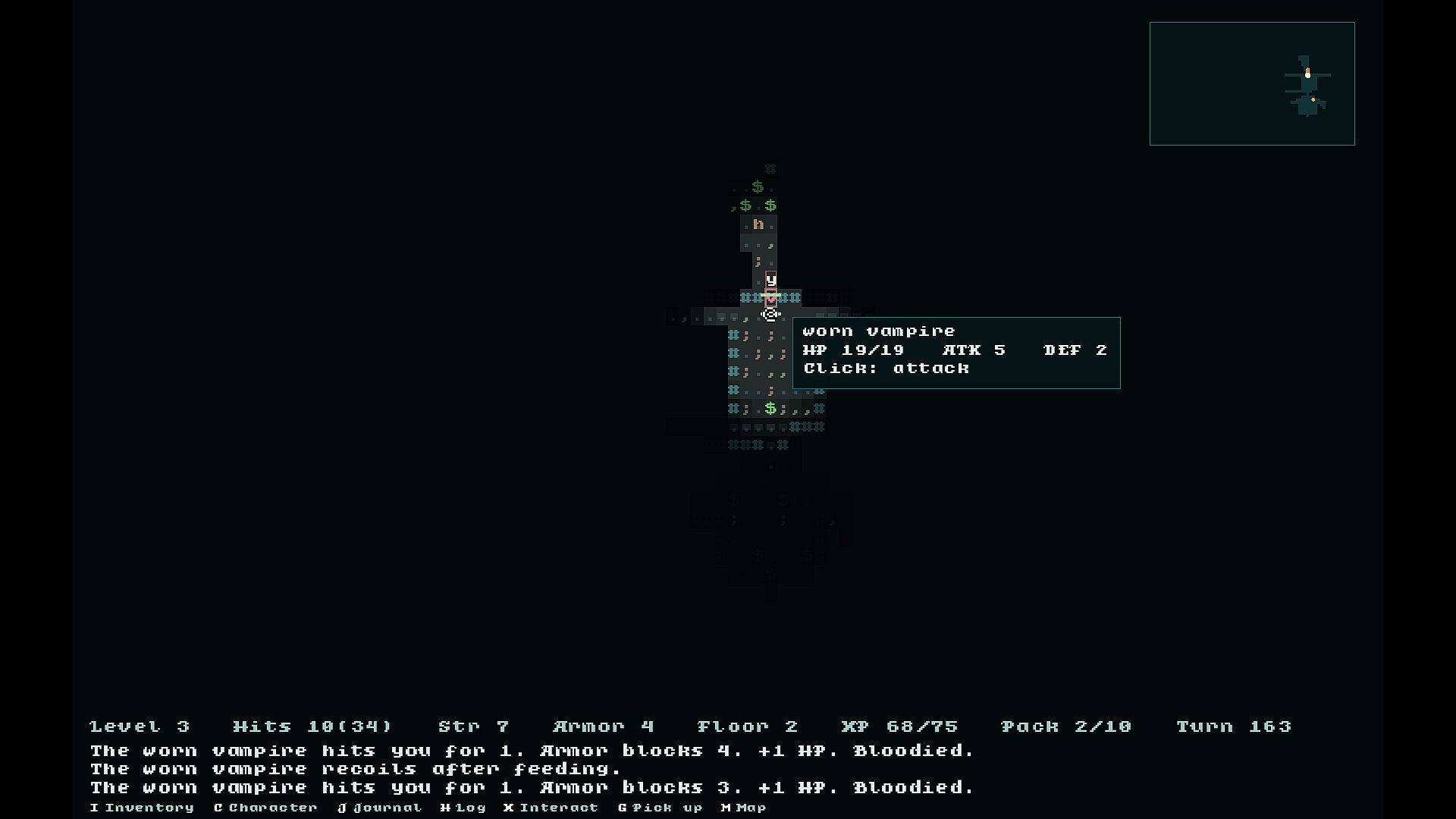
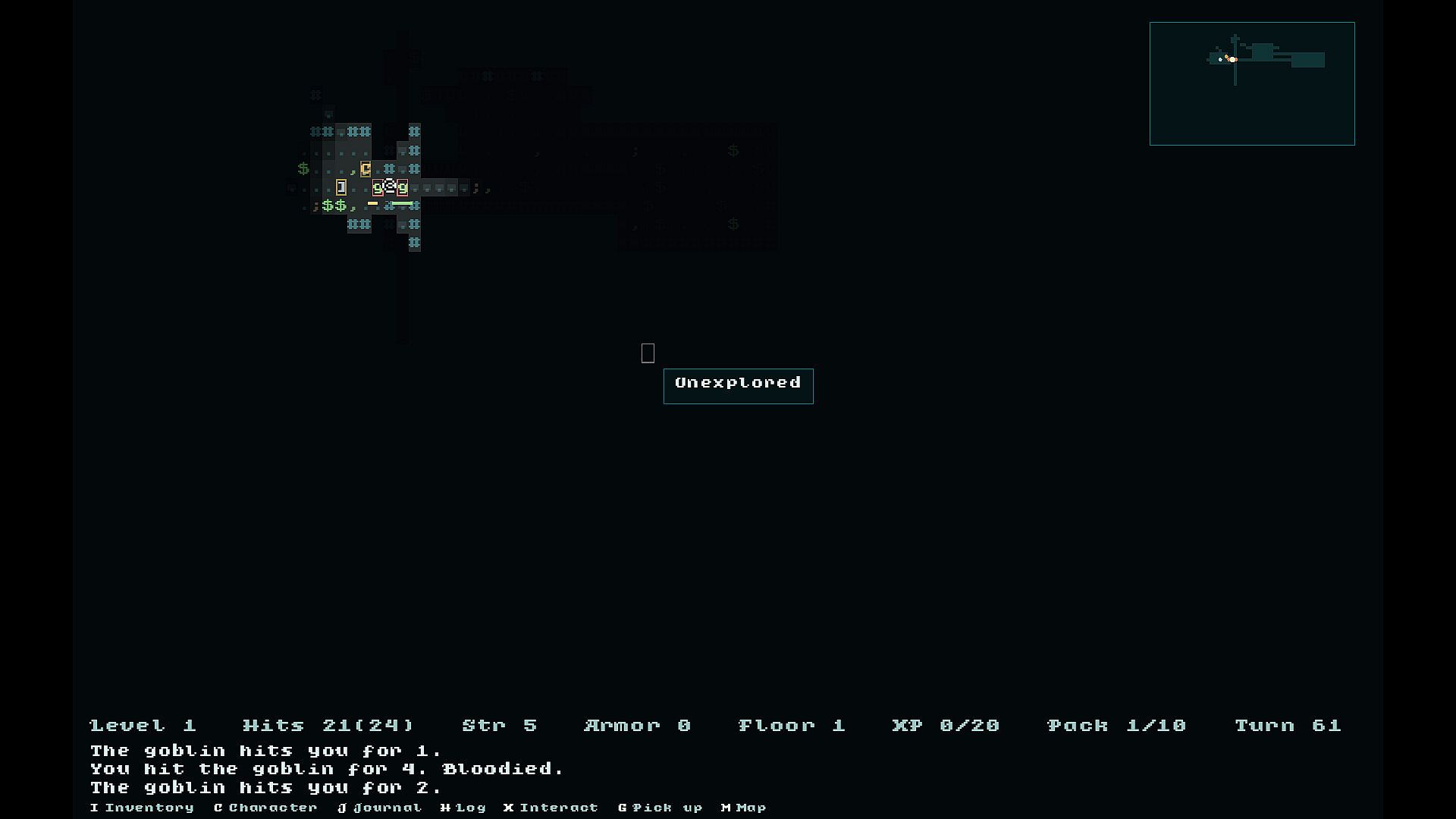
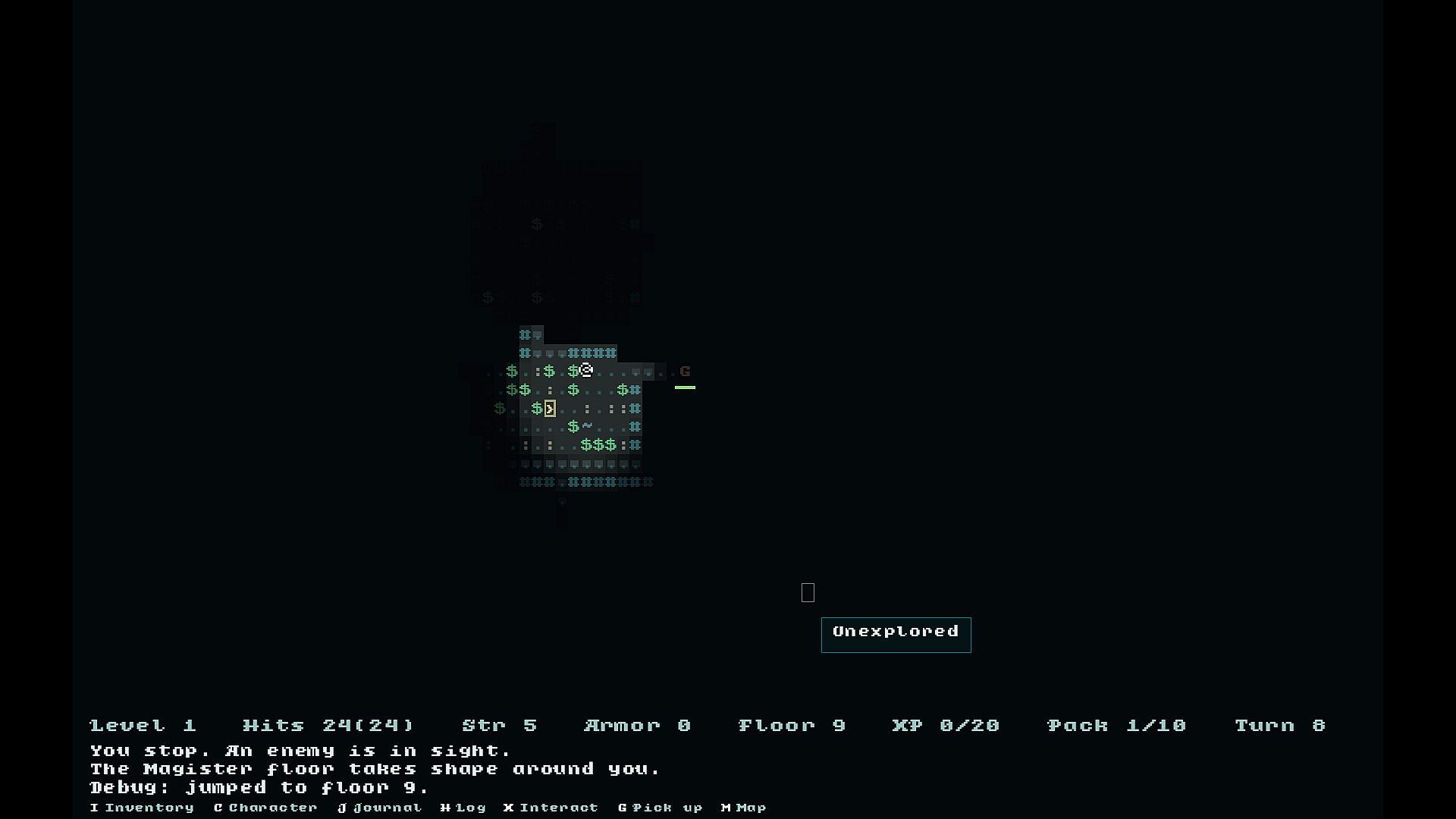
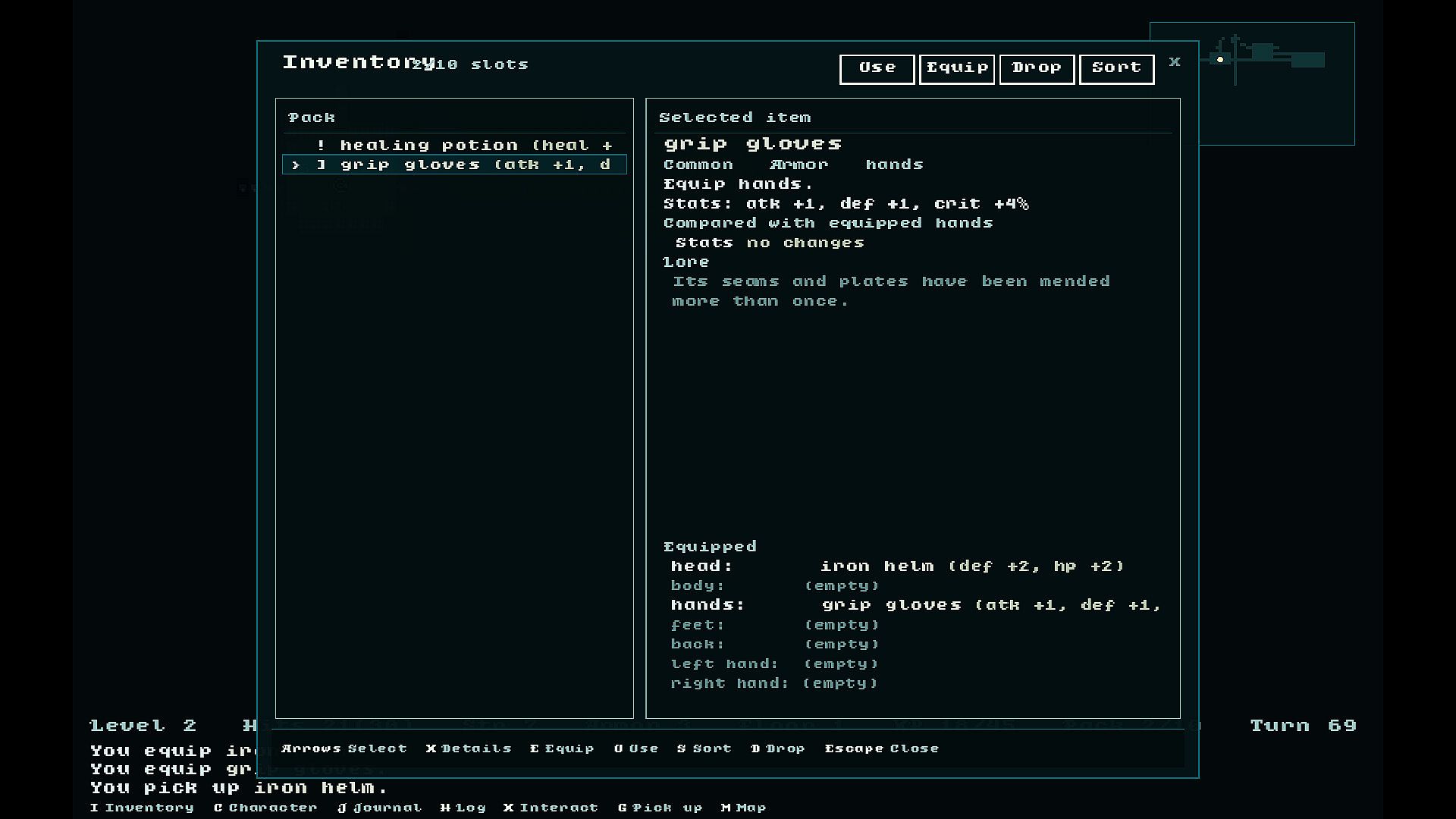
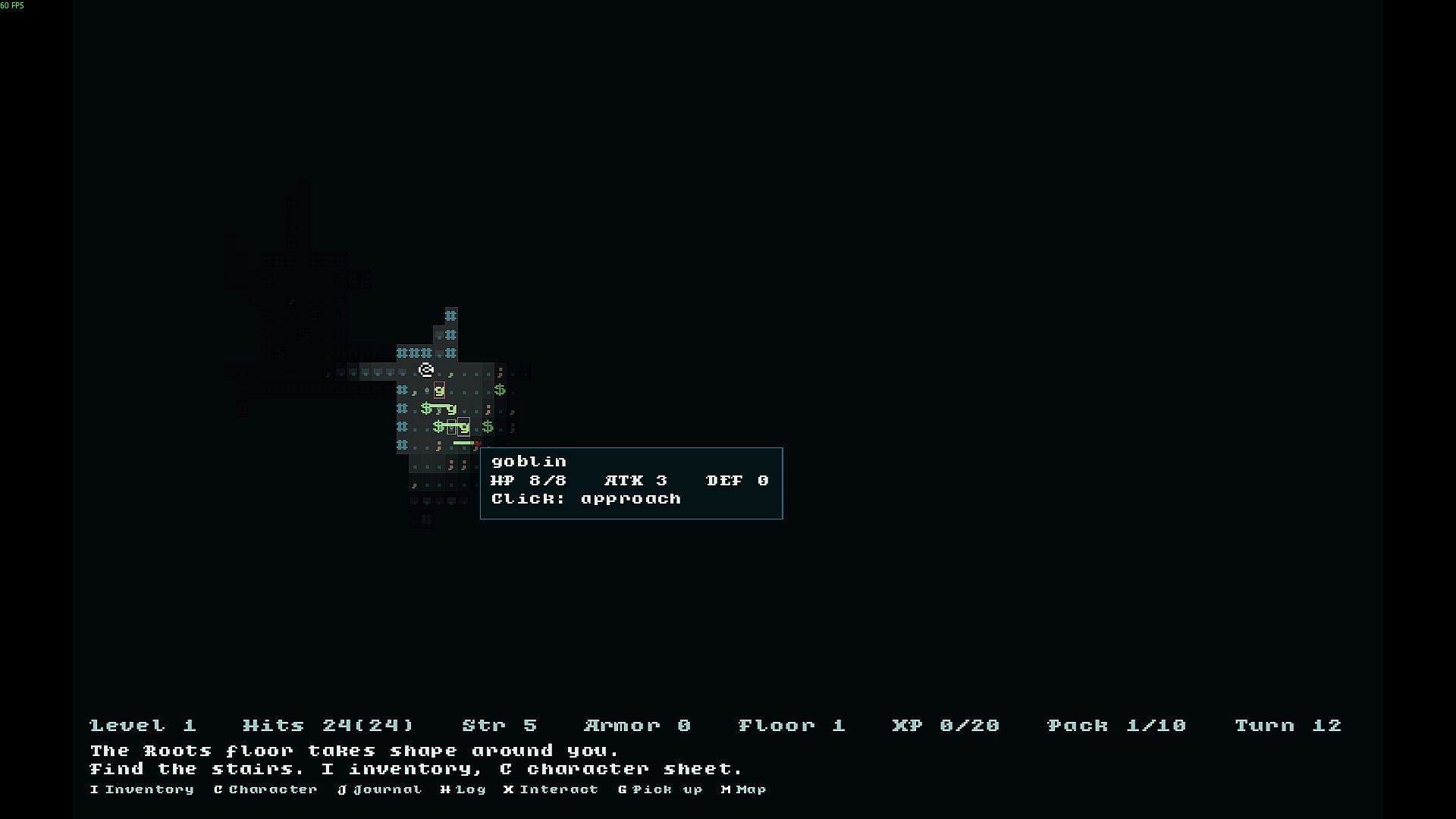
Im Mittelpunkt steht die sorgfältige Erkundung prozedural generierter Ebenen. Jede Etage besitzt eigene Themen wie verstaubte Bibliotheken, Schreine, Waffenkammern und Räume, in denen sich Truhen-Mimics verstecken können. Bewegung erfolgt schrittweise, wobei jede Aktion im taktischen rundenbasierten Kampfsystem Gewicht hat. Spieler führen eine abgenutzte Klinge und begrenzte Heilmittel mit sich und müssen Status-Effekte wie Feuerschaden oder Lebensraub im Kampf gegen zaubernde Gegner im Blick behalten.
Ein besonderes Hör-Mechanik erlaubt es, sich nähernde Bedrohungen in der Dunkelheit noch vor Sichtkontakt wahrzunehmen. Spezielle, an Geräusche gebundene Ausrüstung hilft, Gefahren zu orten und Routen um sie herum zu planen. Die Darstellung nutzt klassische ASCII-Grafik mit optionalem Glyph-Sprite-Modus und wird durch moderne Funktionen wie Autospeichern, UI-Skalierung, Barrierefreiheitsoptionen und volle Controller-Unterstützung ergänzt. So bleibt das Old-School-Gefühl erhalten, während längere Sitzungen weniger Reibungsverluste erzeugen.
Tiefgehende Hintergrundelemente zeigen sich durch Rätselinschriften und verstreute Fragmente, die die Geschichte von Mornhollow und dem Arkanen Riss enthüllen. Spieler erschließen Geheimnisse, indem sie die Umgebung untersuchen und Hinweise über mehrere Durchläufe hinweg verknüpfen. Die prozedurale Generierung sorgt für wechselnde Raumaufteilungen und Gegnerplatzierungen und lädt so zu wiederholten Versuchen ein, neue Wege und versteckte Details zu entdecken.
Spielmodi
Das Spiel ist ein Einzelspieler-Roguelike-Erlebnis, das auf wiederholte Abstiege in den Turm ausgerichtet ist. Es gibt keine separaten Mehrspieler- oder Koop-Modi. Die zentrale Aktivität bleibt der klassische Dungeon-Crawl, bei dem jeder Durchlauf auf dem Wissen früherer Versuche aufbaut. Prozedurale Ebenen und zufällige Elemente schaffen frische Herausforderungen, ohne dass externe Matchmaking- oder Wettbewerbsstrukturen nötig sind.
Der Fortschritt basiert auf dem Ressourcenmanagement über mehrere Durchläufe hinweg, nicht auf dauerhaften Charakterstufen im traditionellen Sinne. Spieler kehren mit gesammeltem Wissen und Gegenständen an die Oberfläche zurück, die den nächsten Versuch beeinflussen. Überleben und Anpassung stehen dabei im Vordergrund, nicht lineare Handlungsfortschritte. Diese Struktur spricht Spieler an, die methodisches Planen und das Erlernen von Gegnermustern durch Ausprobieren und Beobachten schätzen.
Atmosphäre und Erkundung
Die Welt von Mornhollow betont Isolation und Ungewissheit. Zerbrochene Städte und Manarisse erzeugen eine Umgebung, in der Navigation selbst zum Rätsel wird. Straßen und Wege verbinden sich nicht immer logisch, sodass Spieler auf das Hörsystem und sorgfältiges Kartografieren angewiesen sind, um Sackgassen oder Hinterhalte zu vermeiden. Atmosphärische Details entstehen durch Umgebungs-Storytelling statt direkter Erläuterungen und belohnen jene, die jeden Winkel untersuchen.
Gegnerbegegnungen verbinden Nahkampf mit der Notwendigkeit, Zauberwirkungen zu unterbrechen. Status-Effekte erweitern die Entscheidungsfindung, da Feuerschaden oder Lebensraub den Ausgang eines Kampfes je nach Timing und Positionierung verändern können. Die Verbindung aus taktischer Tiefe und sensorischer Wahrnehmung erzeugt Spannung selbst in kleineren Räumen.
Lohnt es sich?
Tower of Scherbenmark richtet sich an Spieler, die rundenbasierte Roguelikes mit starkem Fokus auf hörbasierte Wahrnehmung und prozedurale Umgebungen mögen. Die ASCII-Darstellung in Kombination mit Komfortfunktionen macht das Spiel für Einsteiger zugänglich und bewahrt gleichzeitig den für das Genre typischen Schwierigkeitsgrad. Wer bewusstes Tempo und das Aufdecken mehrschichtiger Hintergrundgeschichten durch Erkundung schätzt, wird die Mechaniken als lohnend empfinden.
Das Spiel befindet sich in aktiver Entwicklung; eine Demo steht zum Testen der Kernsysteme zur Verfügung. Der Solo-Entwicklungshintergrund zeigt sich in dem fokussierten Umfang, der enge Mechaniken über umfangreiche Inhalte stellt. Fans dunkler Fantasy-Settings und taktischer Kämpfe sollten die verfügbare Version ausprobieren, um die Passung zu prüfen. Das Fehlen von Mehrspieler-Elementen hält das Erlebnis intim und in sich geschlossen und eignet sich für Solo-Sitzungen, die auf die Beherrschung von Hör- und Kampfsystemen ausgerichtet sind.