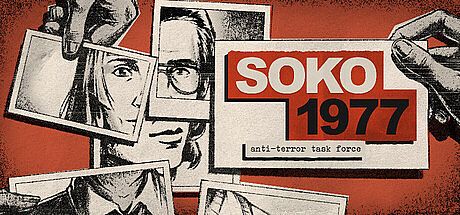



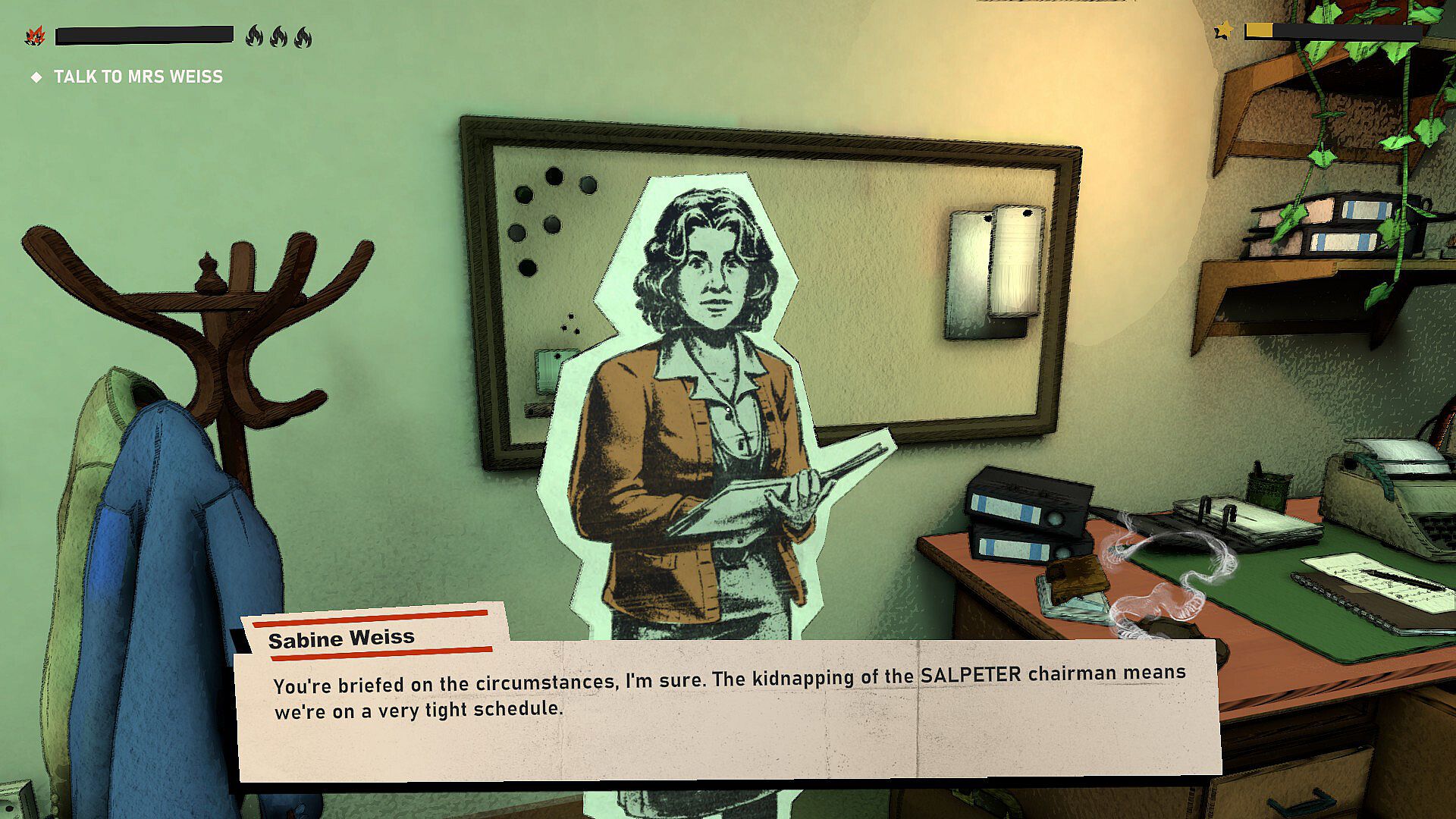
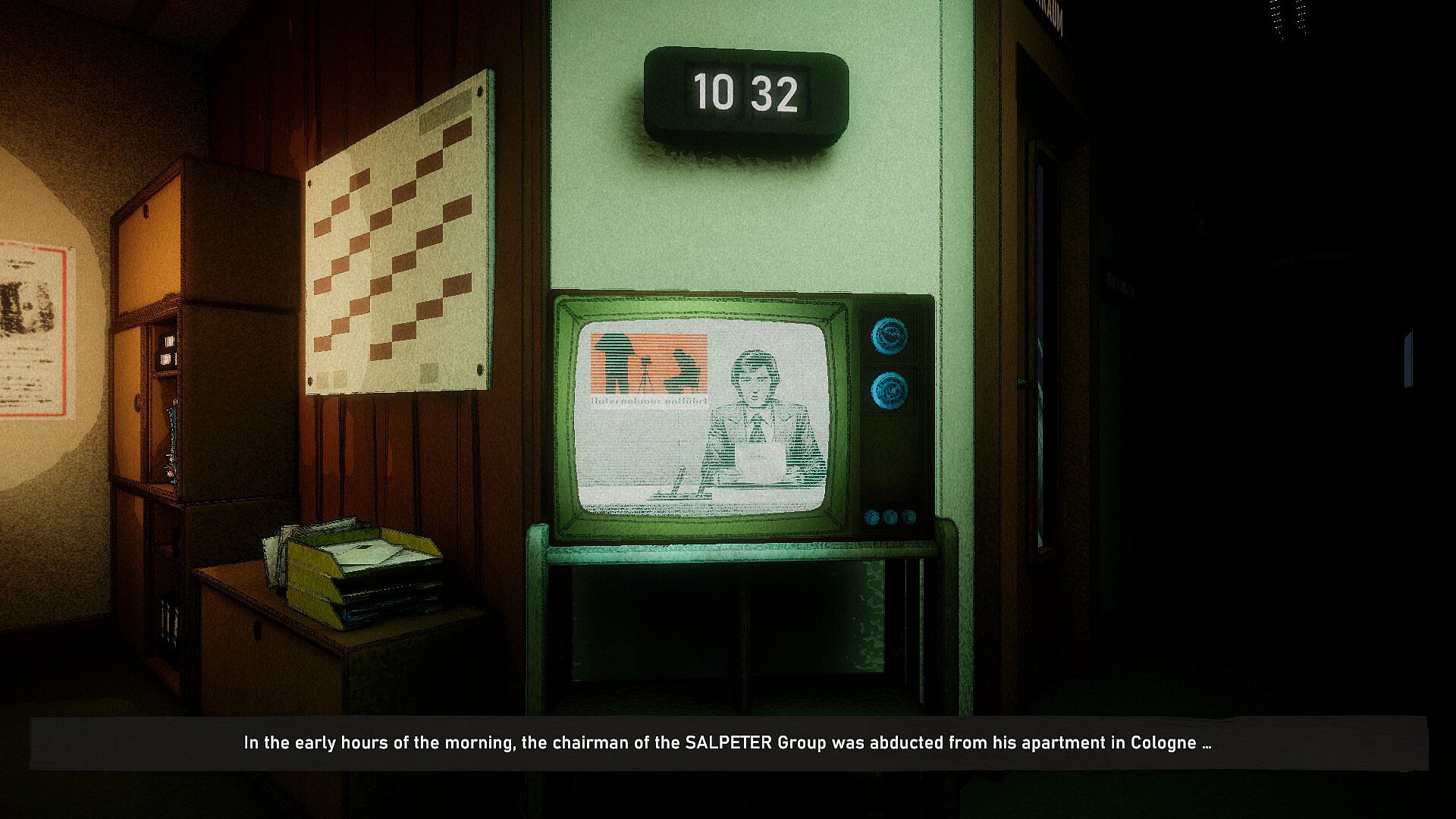
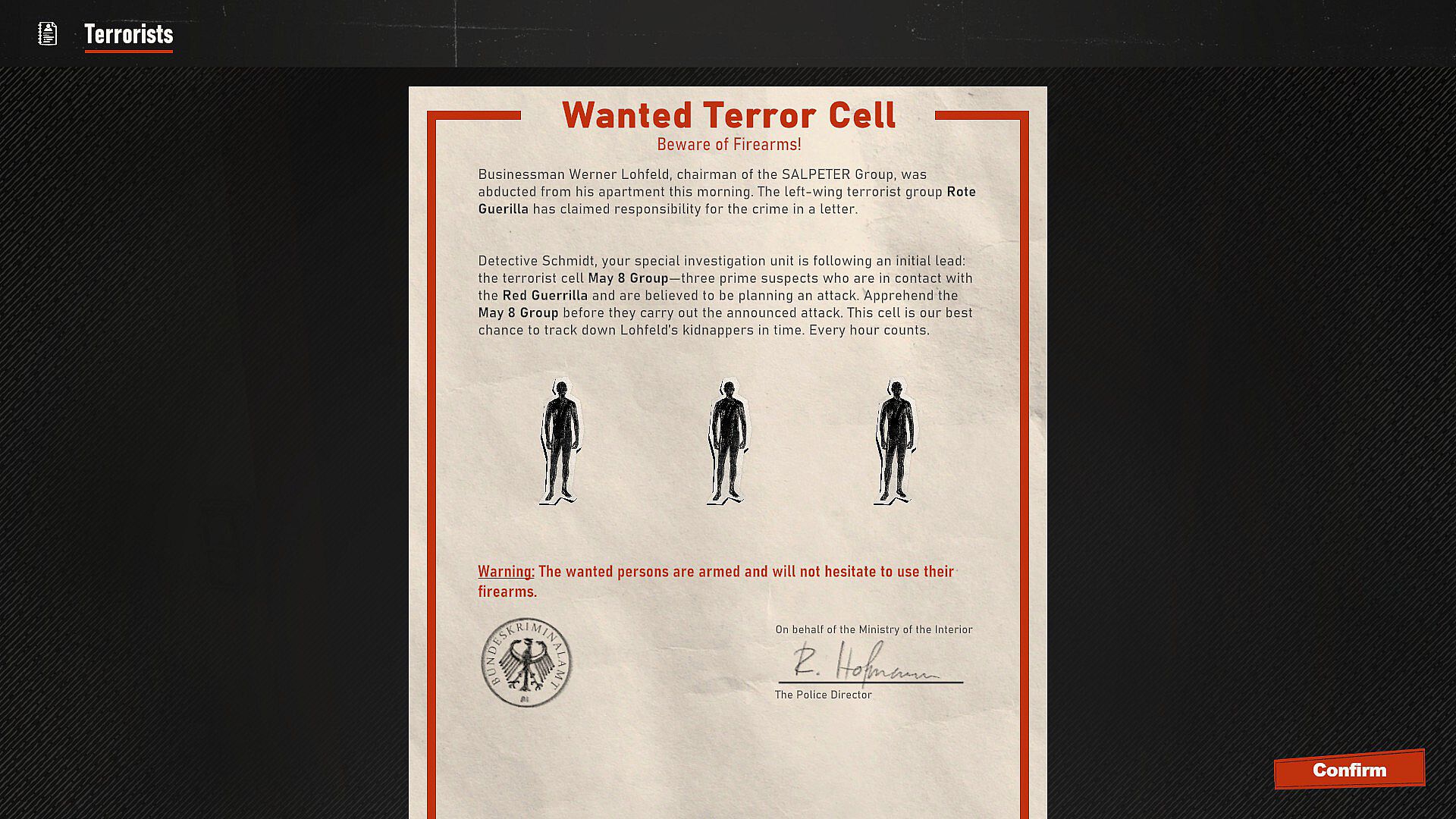
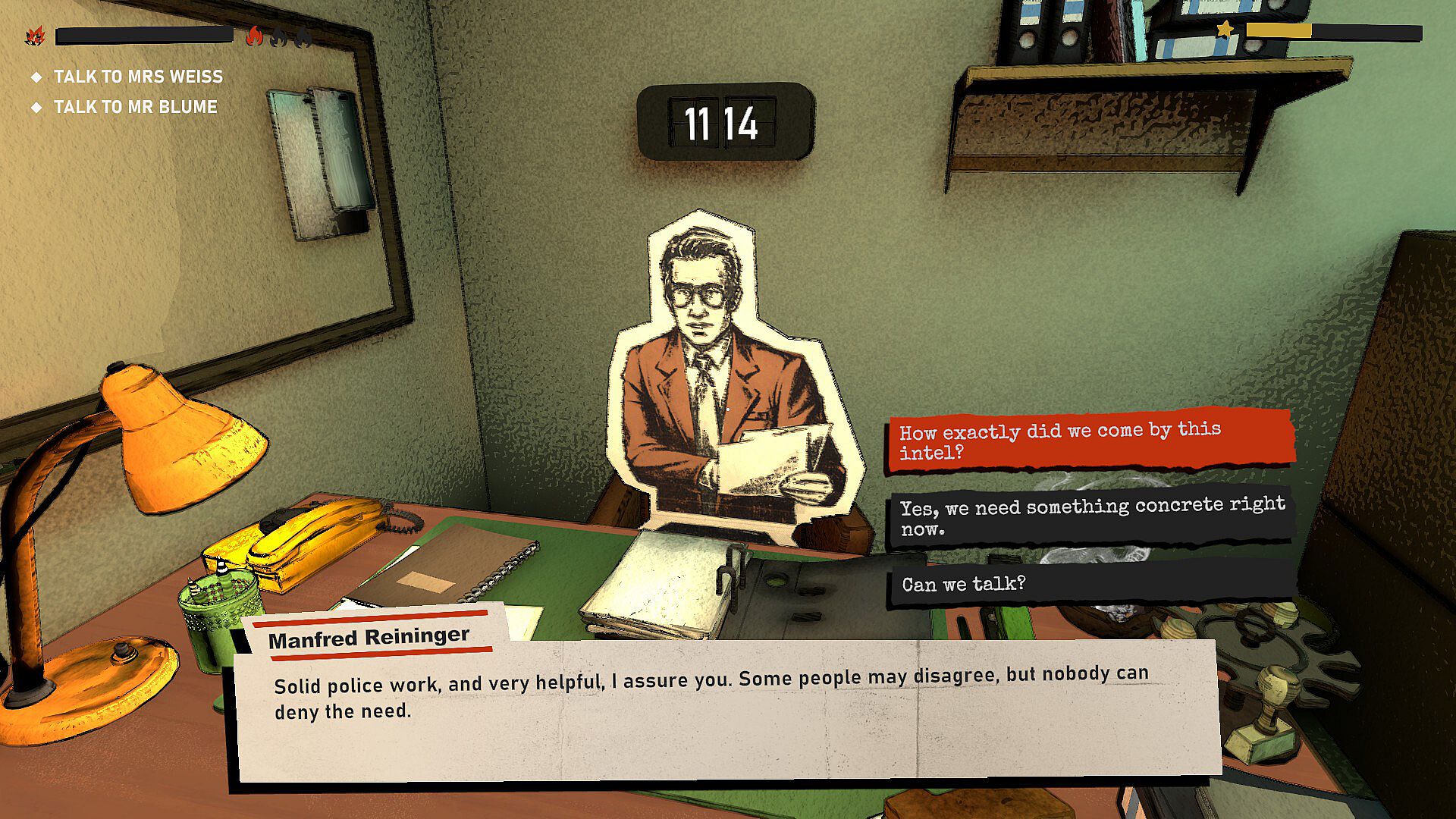
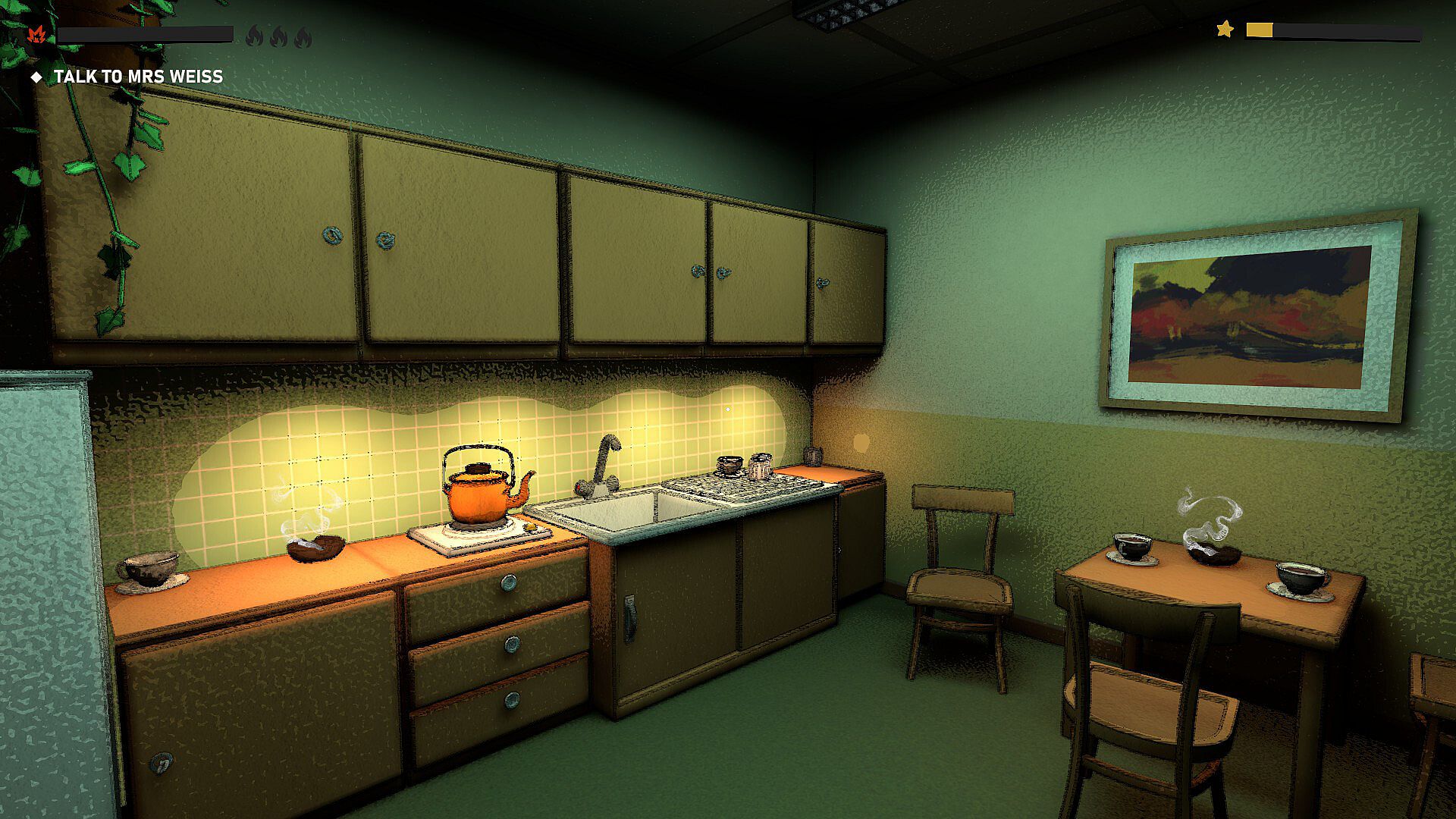
SOKO 1977: Anti-Terror Task Force ist ein Strategiespiel, in dem Spieler eine Spezialeinheit der westdeutschen Polizei in den 1970er Jahren führen. Das Spiel verbindet Deduktionsmechaniken mit Roguelike-Struktur in einer Einzelspieler-Erfahrung vor dem Hintergrund politischer Spannungen und linksextremistischer Bedrohungen. Die Ermittlungen richten sich gegen fiktive Gruppen, die von realen historischen Ereignissen inspiriert sind, und die getroffenen Entscheidungen beeinflussen sowohl den Ermittlungserfolg als auch die öffentliche Wahrnehmung der Einheit.
Gameplay
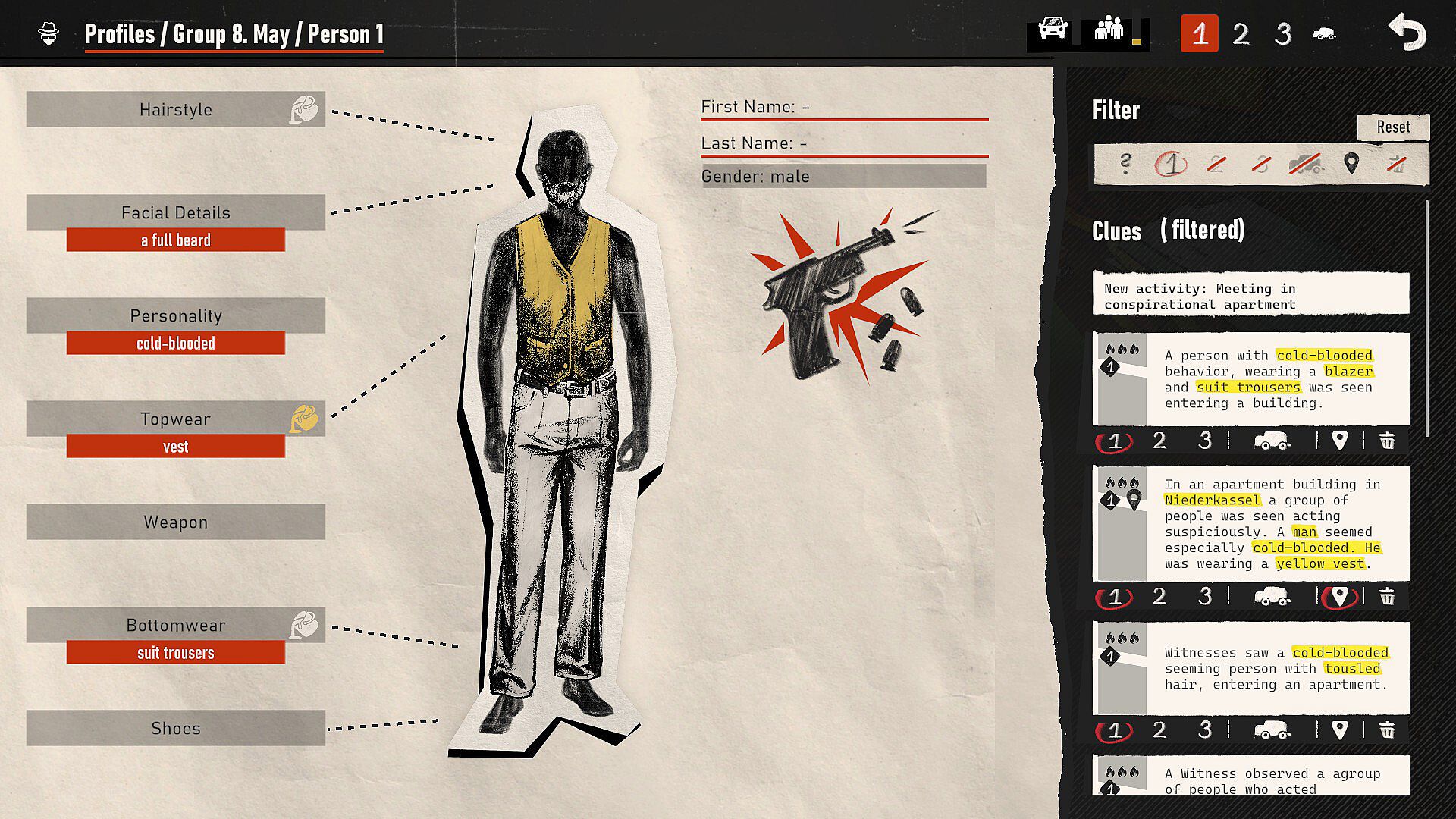
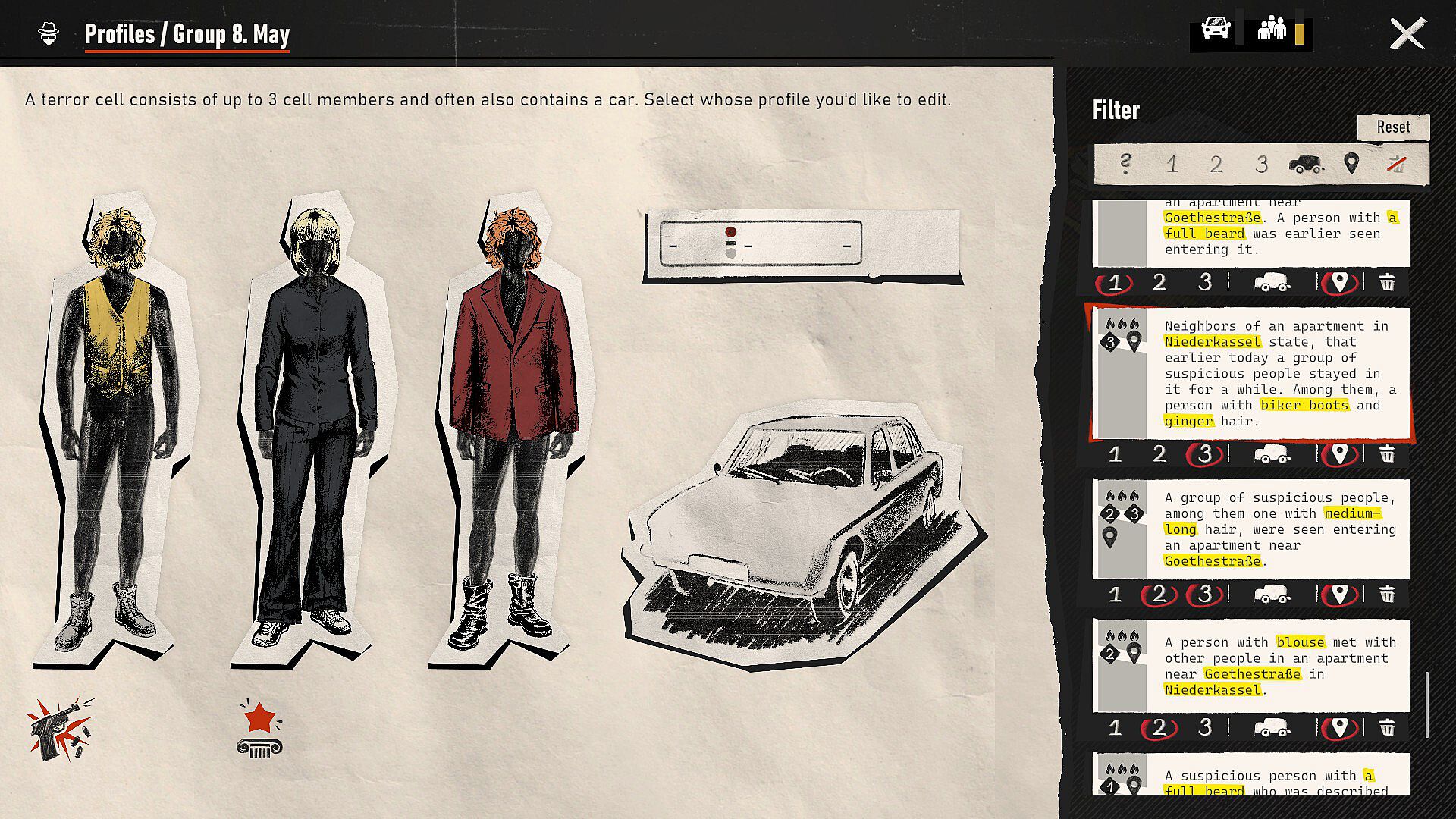
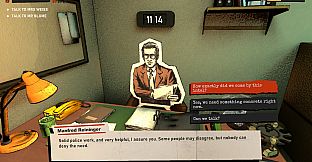
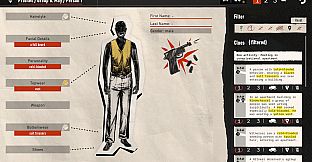
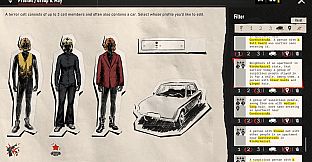
Im Mittelpunkt steht das Sammeln und Auswerten von Beweisen zur Identifikation von Bedrohungen. Spieler gewinnen Hinweise aus unterschiedlichen Quellen, verknüpfen Details zu Täterprofilen und entscheiden, welche Spuren Vorrang haben. Zeitdruck schränkt die Möglichkeiten ein und zwingt zu schnellen Entscheidungen auf Basis unvollständiger Informationen. Verhöre sind ein zentraler Bestandteil: Die Antworten der Verdächtigen bestimmen den weiteren Verlauf und wirken sich auf die Moral des Teams aus.
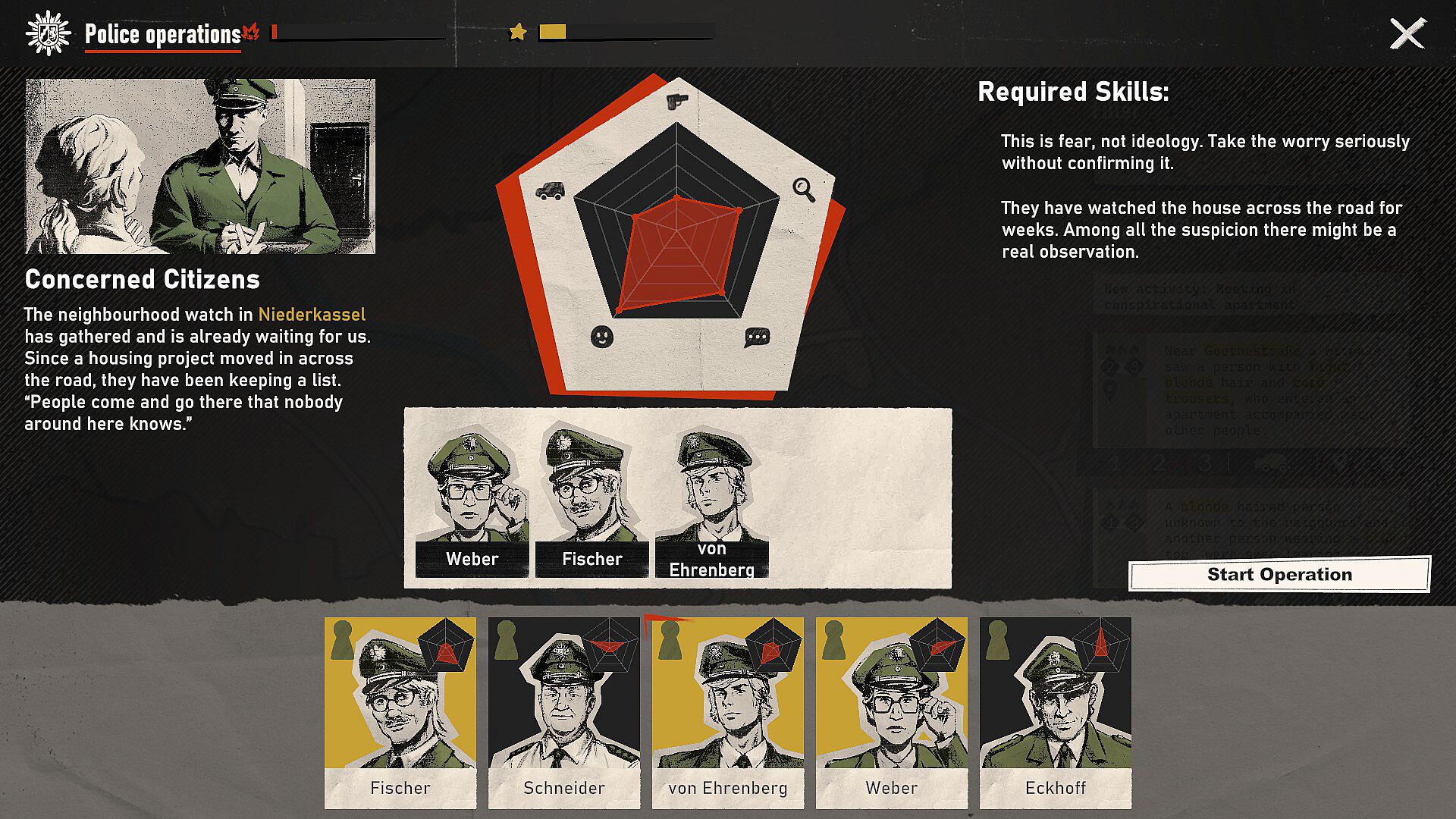
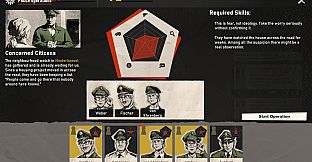
Zur Teamführung gehört die Zuweisung von Personal, die Verteilung begrenzter Ressourcen und die Anpassung von Plänen bei neuen Ereignissen. Einsätze erfordern eine sorgfältige Koordination, um Risiken zu minimieren und Ziele zu erreichen. Begleitende Faktoren wie Medienberichterstattung und politische Aufsicht verlangen ebenfalls Aufmerksamkeit. Auftritte auf Pressekonferenzen können das Vertrauen in die Einheit stärken oder untergraben und beeinflussen damit den Verlauf künftiger Ermittlungen.
Die Roguelike-Elemente sorgen für Abwechslung zwischen den Durchgängen. Prozedurale Generierung erzeugt neue Kombinationen aus Fällen, Verdächtigen und Ereignissen, sodass keine zwei Spielverläufe identisch sind. Fehler haben dauerhafte Folgen, da sich Konsequenzen auf den weiteren Verlauf auswirken. Dadurch entsteht der Anreiz, unterschiedliche Herangehensweisen innerhalb desselben historischen Rahmens auszuprobieren.
Spielmodi
Das Spiel ist als Einzelspieler-Erfahrung mit prozeduraler Fallgenerierung konzipiert. Jede Sitzung bietet ein neues Ermittlungsszenario aus den 1970er Jahren, bei dem zufällige Elemente den Verlauf von Hinweisen, Verdächtigen und Krisen bestimmen. Spieler durchlaufen Deduktionsphasen, Teamkoordination und Einsatzplanung ohne feste, lineare Abschnitte.
Die Variation ergibt sich aus der Roguelike-Struktur, nicht aus separaten Spielmodi. Unterschiedliche Durchgänge betonen verschiedene Aspekte, etwa die aggressive Verfolgung von Spuren gegenüber einer vorsichtigen Beweissammlung oder den Ausgleich zwischen Sicherheitsmaßnahmen und bürgerlichen Freiheiten. Da es keine Mehrspielerkomponente gibt, liegt der Fokus auf individuellen Entscheidungen und ihren Auswirkungen auf die Handlungsverzweigungen.
Historischer Kontext und Setting
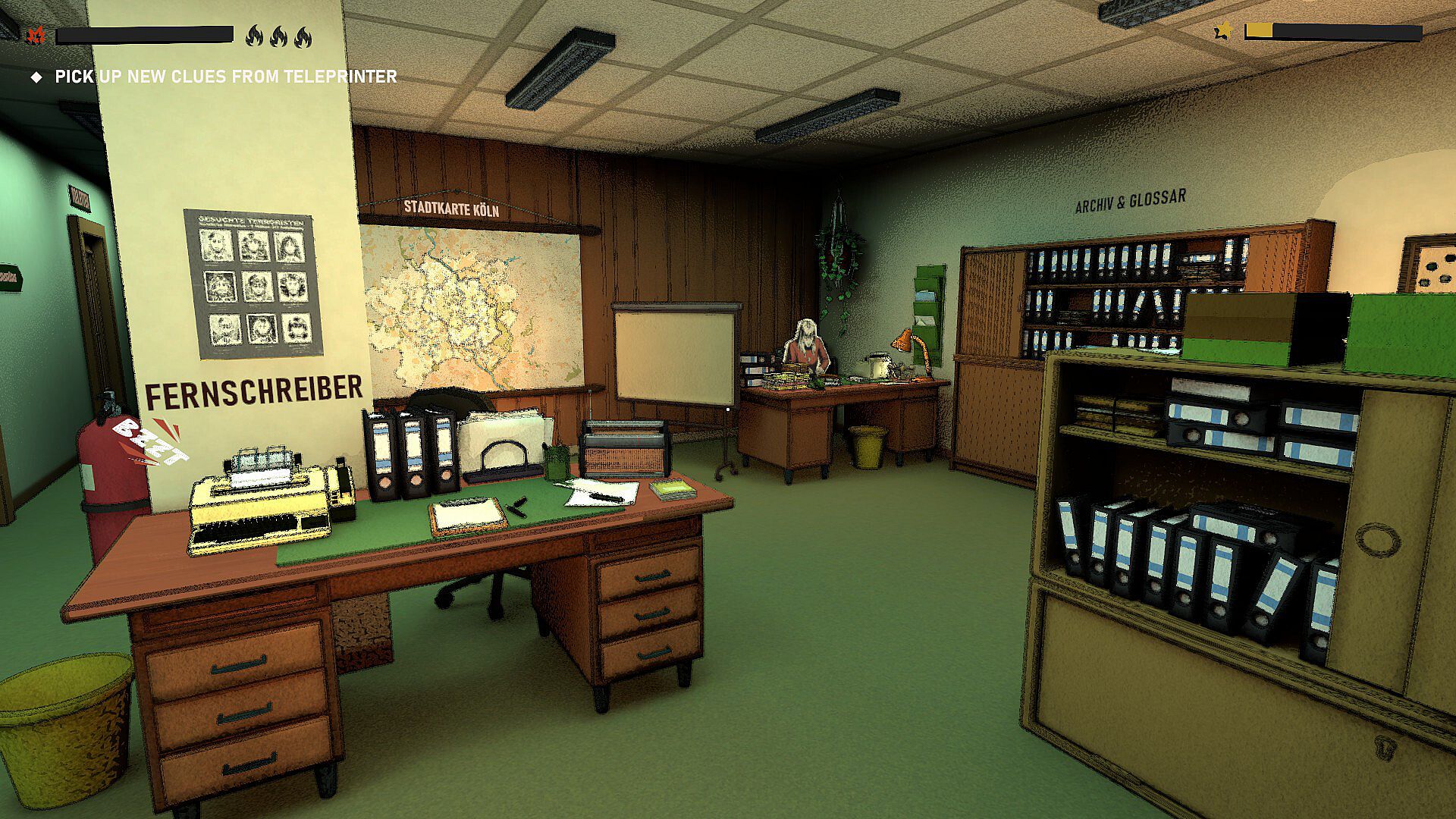
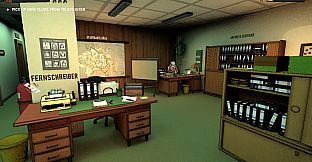
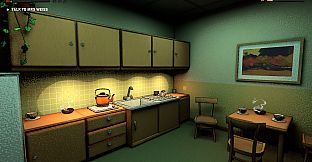
Das Spiel orientiert sich an dokumentierten Ereignissen in der Bundesrepublik Deutschland der 1970er Jahre, darunter politische Spannungen und Reaktionen auf terroristische Vorfälle. Schauplatz ist eine in Köln stationierte Spezialeinheit, in der Spieler die gesellschaftlichen Konflikte der Zeit erleben. Die Umgebung basiert auf Recherchen zu damaligen Verfahrensweisen und dem Klima öffentlicher Beobachtung.
Die zentralen Dilemmata der Epoche begegnen den Spielern direkt im Gameplay. Entscheidungen stellen oft unmittelbare Sicherheitsbedürfnisse gegen längerfristige rechtsstaatliche Prinzipien. Medienauftritte und politische Einflussnahme spiegeln reale Dynamiken der Zeit wider und erhöhen die Tragweite jeder operativen Entscheidung. Die fiktiven Geschichten bleiben in den nachweisbaren historischen Spannungen verankert, ohne konkrete Ereignisse nachzustellen.
Lohnt es sich zu spielen?
SOKO 1977: Anti-Terror Task Force richtet sich an Spieler, die deduktionslastige Strategie mit historischen Themen suchen. Das Free-to-play-Modell auf dem PC ermöglicht den Zugang ohne Anschaffungskosten, und die Roguelike-Struktur unterstützt mehrere Sitzungen mit unterschiedlichen Entscheidungspfaden. Wer begrenzte Ressourcen unter Beobachtung verwalten möchte, findet hier passende Mechaniken.
Da sich das Spiel noch in der Entwicklung befindet und für Anfang 2027 angekündigt ist, basieren die aktuellen Informationen auf den bestätigten Features aus der Ankündigung. Der Schwerpunkt auf Konsequenzen und prozeduraler Vielfalt deutet auf hohen Wiederspielwert für die Zielgruppe hin. Spieler, die direkte Action oder Mehrspielermodi bevorzugen, werden hier nicht fündig, da der Fokus auf überlegter Ermittlungsarbeit liegt.